
Endometriosis is a chronic, inflammatory condition where tissue similar to the uterine lining grows outside the uterus, leading to pain, fatigue, and digestive issues. Inflammation plays a central role in the progression of endometriosis. Because diet directly affects inflammation levels in the body, nutritional choices can significantly influence how symptoms manifest and how manageable they become.
How food choices affect pain, bloating, and fatigue
Many women with endometriosis experience heightened sensitivity to certain foods. High-sugar, processed, or inflammatory foods can worsen pain, cause hormonal imbalances, and increase digestive distress. On the other hand, nutrient-dense, anti-inflammatory foods can reduce flare-ups and improve overall quality of life.
What the latest research and nutritionists recommend
Emerging endometriosis Assn research suggests that while there is no one-size-fits-all endometriosis diet, focusing on anti-inflammatory, whole-food-based eating can support symptom relief. Registered dietitians specializing in women’s health often recommend minimizing gluten, dairy, and processed foods while emphasizing plant-based, high-fiber, and omega-3-rich meals.
Core Principles of the Best Diet for Endometriosis
Focus on anti-inflammatory foods
Chronic inflammation is a hallmark of endometriosis. Anti-inflammatory foods such as leafy greens, berries, nuts, seeds, and omega-3-rich fish help reduce the body’s inflammatory response and may lessen pelvic pain and cramping.
Emphasis on whole, unprocessed ingredients
Choosing whole foods in their natural state—vegetables, fruits, legumes, and whole grains—ensures a higher intake of vitamins, minerals, and antioxidants. These nutrients support hormone regulation and reduce oxidative stress.
Reducing common dietary triggers (gluten, dairy, sugar)
Many women report symptom relief when eliminating gluten, reducing dairy intake, and cutting added sugars. These foods can trigger immune responses and inflammation in some individuals, especially those with coexisting digestive sensitivities.
Importance of gut health and hormonal balance
A healthy gut supports hormone detoxification and immune regulation. Fermented foods, fiber-rich vegetables, and prebiotic foods like garlic and onions help nourish the gut microbiome, a key player in managing endometriosis-related inflammation.
Anti-Inflammatory Foods That Support Symptom Relief
Leafy greens, berries, and colorful vegetables
Vegetables such as kale, spinach, broccoli, and bell peppers are packed with anti-inflammatory compounds. Berries provide powerful antioxidants like anthocyanins that help fight oxidative stress and support immune health.
Omega-3-rich foods: salmon, flaxseed, walnuts
Omega-3 fatty acids reduce prostaglandin production, which contributes to endometriosis-related pain. Fatty fish like salmon, plant-based sources like flaxseed and chia seeds, and nuts such as walnuts are excellent additions to the diet.
Turmeric, ginger, and natural anti-inflammatory herbs
Turmeric contains curcumin, a potent anti-inflammatory compound. Ginger helps with nausea and pain relief. Incorporating these herbs regularly can offer subtle but consistent symptom management support.
High-fiber grains: quinoa, brown rice, oats
Fiber helps with estrogen metabolism by binding excess hormones and supporting healthy digestion. Whole grains like quinoa, brown rice, and gluten-free oats keep digestion regular and support long-term hormone balance.
Foods to Avoid with Endometriosis
Processed meats, refined sugars, and trans fats
Highly processed foods are inflammatory and nutrient-poor. Processed meats contain preservatives and hormones, while trans fats and added sugars can increase systemic inflammation and worsen endometriosis symptoms.
Gluten and its potential inflammatory effects
Gluten may increase inflammation in some people, particularly those with autoimmune or gastrointestinal issues. Many women with endometriosis find relief by going gluten free, though it’s best to evaluate on an individual basis.
Dairy: pro-inflammatory or okay in moderation?
Dairy can be inflammatory for some, while others tolerate it well. If experiencing bloating, acne, or worsening cramps, it may be worth reducing dairy to see if symptoms improve. Opt for plant-based alternatives like almond or oat milk if needed.
Caffeine and alcohol: moderation or elimination?
Caffeine can contribute to increased estrogen and dehydration, potentially worsening pain. Alcohol can trigger inflammation and impair liver detoxification. Moderation is key, though some women benefit from cutting back entirely.
Going Gluten-Free: A Common Strategy for Endo Relief
Research insights on gluten and endometriosis
Studies have shown that a gluten-free diet may reduce symptoms in a significant number of women with endometriosis. While not conclusive for everyone, it’s a promising strategy worth trying under professional guidance.
How to transition to a gluten-free lifestyle
Start by eliminating obvious sources like bread, pasta, and baked goods, and read labels carefully. Focus on naturally gluten-free whole foods like rice, potatoes, and legumes. Planning meals in advance makes the transition smoother.
Gluten-free substitutes for everyday meals
Swap regular pasta for lentil or chickpea versions, use almond or coconut flour for baking, and choose gluten-free oats for breakfast. These alternatives are nutritious and supportive of hormone balance.
Benefits of Omega-3s in the Endometriosis Diet
Reducing pelvic pain and inflammation naturally
Omega-3s help reduce inflammatory compounds in the body. Regular intake has been associated with decreased pelvic pain and fewer flare-ups for many women living with endometriosis.
Best sources of omega-3 for women with endo
Fatty fish like sardines, salmon, and mackerel offer the most bioavailable forms. Flaxseeds, chia seeds, hemp seeds, and walnuts are great plant-based options to include daily.
Omega-3 supplements: when are they needed?
If you’re not consuming omega-3-rich foods regularly, a high-quality supplement may help bridge the gap. Always consult with a healthcare provider to choose the right form and dosage for your needs.
Expert Nutritionist Advice: How to Personalize Your Diet
Signs your current diet isn’t supporting your symptoms
If symptoms like bloating, fatigue, and pain persist despite a healthy lifestyle, it may be time to reassess your diet. Food sensitivities and nutrient deficiencies often play a role in unresolved inflammation.
Importance of working with a registered dietitian
A dietitian can help identify which foods support your individual needs and which might be exacerbating symptoms. Personalized guidance ensures you’re getting adequate nutrition while avoiding unnecessary restrictions.
Eliminating vs. restricting foods: safe approaches
Cutting out entire food groups without supervision can lead to nutrient deficiencies. It’s safer to try temporary eliminations, then slowly reintroduce foods to observe how your body responds.
Combining dietary changes with other holistic strategies
Nutrition is powerful but works best alongside other wellness approaches—stress management, physical activity, sleep hygiene, and medical treatment all contribute to a comprehensive endometriosis management plan.
Endometriosis-Friendly Meal Plan Ideas
1-day sample meal plan with anti-inflammatory focus
Breakfast: Overnight oats with chia seeds, almond milk, and berries
Lunch: Grilled salmon salad with avocado, mixed greens, and olive oil
Snack: Apple slices with almond butter
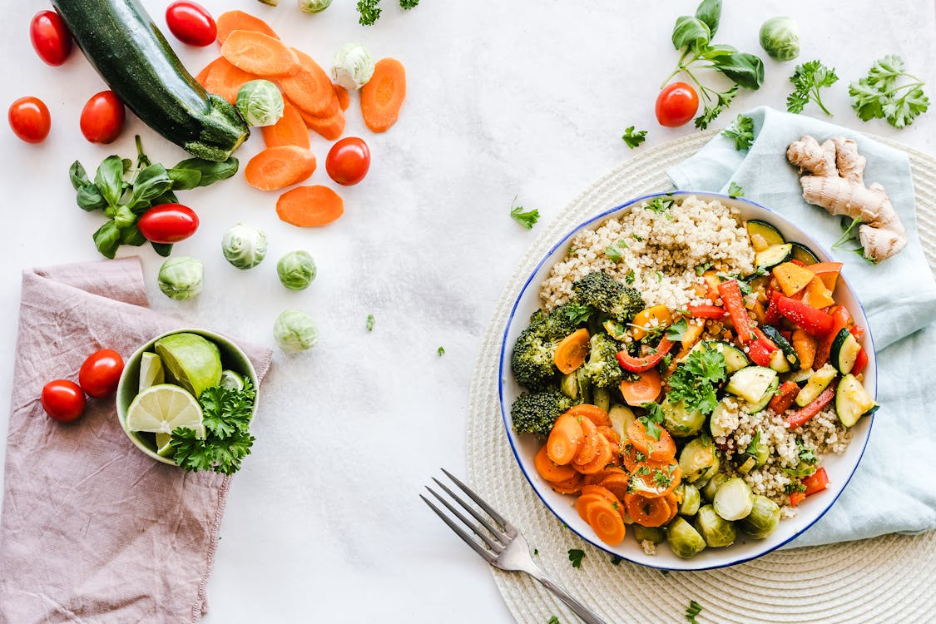
Dinner: Quinoa bowl with roasted vegetables, turmeric chickpeas, and tahini dressing
3 easy-to-prep endo-friendly breakfast options
- Smoothie with spinach, flaxseed, frozen berries, and plant-based protein
- Scrambled tofu with turmeric and sautéed veggies
- Gluten-free toast with mashed avocado and hemp seeds
Quick lunch & dinner recipes to support hormone balance
- Lentil and sweet potato stew
- Brown rice and stir-fried vegetables with ginger-garlic tofu
- Baked wild-caught fish with steamed broccoli and quinoa
Snack ideas for on-the-go nourishment
- Trail mix with walnuts, pumpkin seeds, and dried cranberries
- Hummus and sliced bell peppers
- Rice cakes with almond butter and banana slices
When to Consider Supplements
Vitamins often lacking in endometriosis diets
Common deficiencies include Vitamin D, iron, magnesium, and B-vitamins—especially B6 and B12, which play a role in hormone balance and mood regulation.
Role of magnesium, B-complex, and iron
Magnesium helps with muscle relaxation and cramp relief. B-complex supports energy and mood. Iron is essential, particularly for those experiencing heavy menstrual bleeding.
Supplement safety and consultation with your doctor
Always consult your doctor before starting any supplement, especially if you’re taking medications or managing other health conditions. Personalized recommendations ensure safe, effective use.
Conclusion: Healing Starts with the Plate
Nutrition isn’t a cure for endometriosis, but it is one of the most powerful tools available for symptom management and overall well-being. By focusing on anti-inflammatory foods, minimizing common dietary triggers, and making informed, personalized choices, many women experience less pain, more energy, and better digestive health. Remember, what you eat every day matters. Start by making small, sustainable changes, work with qualified professionals, and explore how your plate can support your path to healing and resilience.