
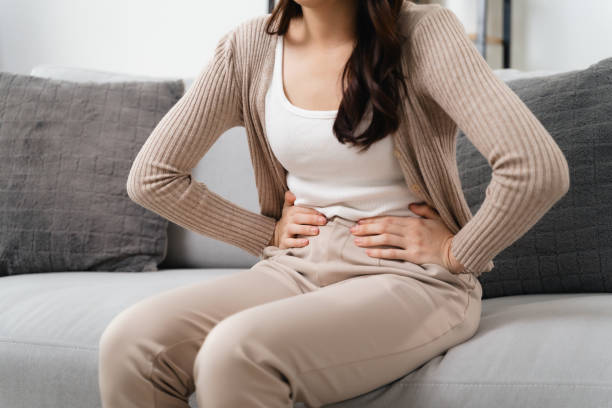
What Is Endometriosis? A Simple Explanation
Endometriosis is a condition in which tissue similar to the lining inside the uterus grows outside it. This tissue reacts to hormones and becomes irritated, inflamed, and painful during each cycle. Many women describe the pain as deep, sharp, or draining, and it often affects normal daily routines.
The Endometriosis Association describes the condition as a complex disease that involves the immune system, hormones, and inflammation. They highlight how the tissue can grow on the ovaries, fallopian tubes, bladder, intestines, and other organs. Their mission focuses on education, research, and support for anyone dealing with the condition.
Early understanding matters because many girls and women experience symptoms yet do not recognize them. They often assume that strong pain is normal and wait for years before seeking help. Early awareness leads to quicker diagnosis, better care, and less emotional and physical stress.
Endometriosis is more common than many people realize. It affects millions of teens and women around the world. Symptoms can begin at a young age and continue into adulthood. It is not limited to any one age group, and this makes early recognition even more important.
What Causes Endometriosis? (What Research Suggests)
Genetics & Family History
Research shows that genes may play a role in endometriosis.
- Women with relatives who have endometriosis may have a higher risk.
- Some families show patterns of early symptoms.
But genes alone do not explain everything. Many women with no family history still develop the condition. This shows that other factors must also be involved. Scientists continue to study how genetics interact with hormones, the immune system, and environmental triggers.
Immune System Link
The immune system may also play a role in endometriosis. A healthy immune system normally clears tissue that grows in the wrong place. In women with endometriosis, this may not happen properly. This allows the tissue to stay, grow, and inflammation causes.
Inflammation becomes a key driver of symptoms. It leads to swelling, pain, and irritation around the organs. It may also affect energy levels, digestion, and overall comfort. This connection helps explain why endometriosis behaves like a full body condition rather than only a reproductive one.
Hormonal & Inflammatory Triggers
Hormones, especially estrogen, influence the growth of endometriosis tissue. Higher levels of estrogen can stimulate the tissue and make symptoms worse. This is why some treatments focus on balancing hormone levels.
Chronic inflammation is another important factor. The tissue outside the uterus behaves differently and triggers an ongoing inflammatory response. This response can spread throughout the pelvic area and cause symptoms beyond the reproductive organs. This link explains why some women feel fatigue, digestive distress, and general discomfort during flare ups.
Environmental Triggers
Environmental factors may also contribute to endometriosis. Some research suggests that exposure to certain toxins increases risk.
- The Endometriosis Association highlights a strong research focus on dioxins.
- Studies show that animals exposed to dioxins developed endometriosis like symptoms.
Lifestyle and environment may shift the way hormones and immunity work. This does not mean the disease is caused by personal choices. Instead, it shows how complex and sensitive the body can be to outside exposures.
Other Theories
Scientists continue to explore additional theories. Retrograde menstruation suggests that menstrual tissue flows backward into the pelvis. This may allow cells to attach and grow. However, many women experience this flow but never develop the disease, so this theory alone is not enough.
Coelomic metaplasia suggests that certain cells in the body can change into endometrial type cells under specific conditions. This may explain cases in unusual areas of the body.
There is still no single confirmed cause. Researchers believe that endometriosis is the result of several factors working together. Genetics, immunity, hormones, inflammation, and environment all contribute to the bigger picture.
Recognizing the Key Symptoms of Endometriosis
Chronic pelvic pain is one of the most common symptoms. It may feel sharp, heavy, or persistent. Many women feel it days before their period, during the cycle, or even after it ends.
Severe period pain that disrupts daily life is a major warning sign. Normal menstrual cramps should not stop someone from walking, attending school, or working. If pain requires medication or rest every month, it is important to seek help.
Painful intercourse is also a common symptom. This pain can affect intimacy, confidence, and emotional wellbeing. It may feel deep or stabbing and may continue even after the activity ends.
Digestive distress is another symptom that many women do not expect. Bloating, constipation, nausea, and stomach pain often overlap with period cycles. This can cause confusion and lead to misdiagnosis.
Fatigue is common because inflammation affects the entire body. Tiredness may feel heavy and constant. Many women describe feeling drained even after rest.
Symptoms vary from woman to woman. Some have severe pain with minimal tissue growth. Others have extensive growth but little pain. This wide variation makes awareness essential for early detection.
How Endometriosis Affects Daily Life
Endometriosis can affect school, work, and productivity. Many women miss days because the pain becomes too strong. Concentration becomes difficult. Tasks feel overwhelming when the body is fighting inflammation.
Emotional and mental health can also be affected. Ongoing pain leads to stress, anxiety, and feelings of isolation. Many girls and women feel misunderstood because others cannot see the internal struggle.
Physical limitations are common on flare days. Simple movements like bending, walking, or sitting become uncomfortable. This makes it hard to plan activities or keep a steady routine.
Social and relationship challenges may also develop. Women may cancel plans or avoid intimacy because of pain. These situations create emotional pressure and misunderstandings.
Understanding these impacts helps caregivers respond with more compassion. Support from family, schools, workplaces, and health professionals makes a significant difference in managing the condition.
When to Seek Medical Help
Certain red flags should never be ignored. These include severe cramps, pain that spreads to the back or legs, discomfort during daily tasks, and digestive distress that worsens around the cycle. Any symptom that disrupts life more than it should deserves attention.
When speaking to a doctor, it helps to describe symptoms in detail. Share when the pain starts, how long it lasts, and what makes it better or worse. Mention any related symptoms like fatigue, digestive issues, or pain during intercourse.
Tracking symptoms supports better diagnosis. A simple journal or mobile app can help record patterns. This gives doctors a clear picture and speeds the evaluation process.
Self advocacy is very important. Many women feel unheard or dismissed at first. Clear communication, written records, and confidence in your concerns help you receive proper care. Early action can prevent years of unnecessary pain.
Conclusion
Endometriosis is more than just painful periods. It is a complex condition with multiple possible causes and a wide range of symptoms. Understanding the science behind genetics, hormones, immunity, and environmental factors gives women and caregivers a clearer view of the disease. Recognizing early signs and learning how the condition affects daily life encourages quicker action and better management. Early awareness and accurate information play a crucial role in reducing delays in diagnosis and helping women live stronger, healthier lives.
If you need guidance, resources, or support, please contact us and we will be happy to help.
FAQs
Is there a confirmed cause of endometriosis?
No. Several theories exist, including genetic, immune, hormonal, and environmental factors, but no single proven cause has been identified.
Can endometriosis symptoms start in teens?
Yes. Many teens experience severe pain from their first period. Symptoms are often dismissed as normal, leading to missed early diagnosis.
Do environmental toxins increase the risk?
Some studies show a possible link between toxins like dioxins and endometriosis. The Endometriosis Association has highlighted this research focus.
Can endometriosis affect daily productivity?
Yes. Pain, fatigue, and digestive issues can affect school, work, concentration, and social life.
Should I see a doctor if my period pain is severe?
Yes. Severe or disabling period pain is not normal. It may be a sign of endometriosis or another health condition.