Coping with Mental Health & Endometriosis

by | Apr 26, 2026 | Uncategorized

Coping with Mental Health & Endometriosis

Coping with Mental Health and Endometriosis: Effective Strategies for Emotional Support and Well-being

Endometriosis is a chronic condition that affects millions of people worldwide, often leading to significant physical and emotional challenges. The connection between mental health and endometriosis is profound, as many individuals experience heightened levels of anxiety and depression due to the persistent pain and uncertainty associated with the disease. This article aims to explore effective strategies for coping with mental health issues related to endometriosis, providing valuable insights into emotional support and well-being. We will delve into how endometriosis impacts mental health, effective coping strategies, the role of therapy, and the importance of community support. By understanding these aspects, individuals can better navigate their emotional landscape and enhance their quality of life.

How Does Endometriosis Affect Mental Health? Understanding Depression and Anxiety Links

Endometriosis significantly impacts mental health, with studies indicating a strong correlation between the condition and increased rates of depression and anxiety. The chronic pain associated with endometriosis can lead to feelings of helplessness and frustration, exacerbating mental health issues. Hormonal fluctuations and the stress of managing a chronic illness further contribute to emotional distress. Understanding these connections is crucial for developing effective coping mechanisms.

What Are the Common Mental Health Challenges in Endometriosis?

  1. Depression: Many experience depressive symptoms due to chronic pain and the impact on daily life.
  2. Anxiety: The unpredictability of symptoms can lead to heightened anxiety levels, affecting social interactions and personal relationships.
  3. Social Isolation: The stigma surrounding menstrual and reproductive health can result in feelings of isolation, making it difficult to seek support.

These challenges highlight the need for comprehensive mental health support for those living with endometriosis.

How Do Chronic Pain and Fatigue Contribute to Emotional Distress?

Chronic pain and fatigue are hallmark symptoms of endometriosis that can severely affect emotional well-being. The persistent discomfort can lead to a cycle of pain and emotional distress, where pain exacerbates feelings of sadness and anxiety. Fatigue, often resulting from both the physical toll of the disease and the emotional strain, can diminish motivation and energy levels, making it challenging to engage in daily activities. This interplay between physical and emotional health underscores the importance of addressing both aspects in treatment plans.

What Are Effective Coping Strategies for Managing Endometriosis Mental Health?

Managing mental health while coping with endometriosis requires a multifaceted approach. Effective strategies include mindfulness practices, physical activity, and proper nutrition, all of which can significantly enhance emotional well-being.

How Can Mindfulness and Relaxation Techniques Reduce Stress?

Mindfulness and relaxation techniques can be powerful tools for managing stress and anxiety associated with endometriosis. Practices such as meditation, deep breathing exercises, and yoga help individuals focus on the present moment, reducing feelings of overwhelm. Research shows that regular mindfulness practice can lead to lower levels of anxiety and improved emotional regulation, making it an essential component of a holistic approach to mental health.

What Role Do Exercise, Sleep Hygiene, and Nutrition Play in Emotional Well-being?

Physical activity, adequate sleep, and balanced nutrition are critical for maintaining emotional health. Regular exercise releases endorphins, which can improve mood and reduce feelings of anxiety. Sleep hygiene practices, such as maintaining a consistent sleep schedule and creating a restful environment, are vital for combating fatigue and enhancing overall well-being. Additionally, a nutritious diet rich in omega-3 fatty acids, antioxidants, and vitamins can support brain health and emotional stability.

The Endometriosis Foundation of America and other reputable organizations provide resources and community support to help individuals implement these strategies effectively. By fostering a supportive environment, individuals can better manage their mental health alongside their physical symptoms.

Further research emphasizes the critical role of social support, active coping, and a positive doctor-patient relationship in improving the quality of life for individuals with endometriosis.

Endometriosis Coping: Social Support & Multidisciplinary Care

Four main themes emerged from the analysis: (1) the impact of endometriosis on quality of life, (2) medical experiences, (3) complementary and alternative treatments, and (4) different coping strategies in disease management. All themes were interrelated and highly affected by a lack of information and uncertainty caused by endometriosis. A supporting doctor-patient relationship, active coping, and social support were identified as advantages over difficulties. Finding the positive meaning of life after accepting endometriosis increased the possibility of posttraumatic growth.

Challenges of and possible solutions for living with endometriosis: a qualitative study, A Rigó, 2022

How Can Therapy and Counseling Support Mental Health in Endometriosis Patients?
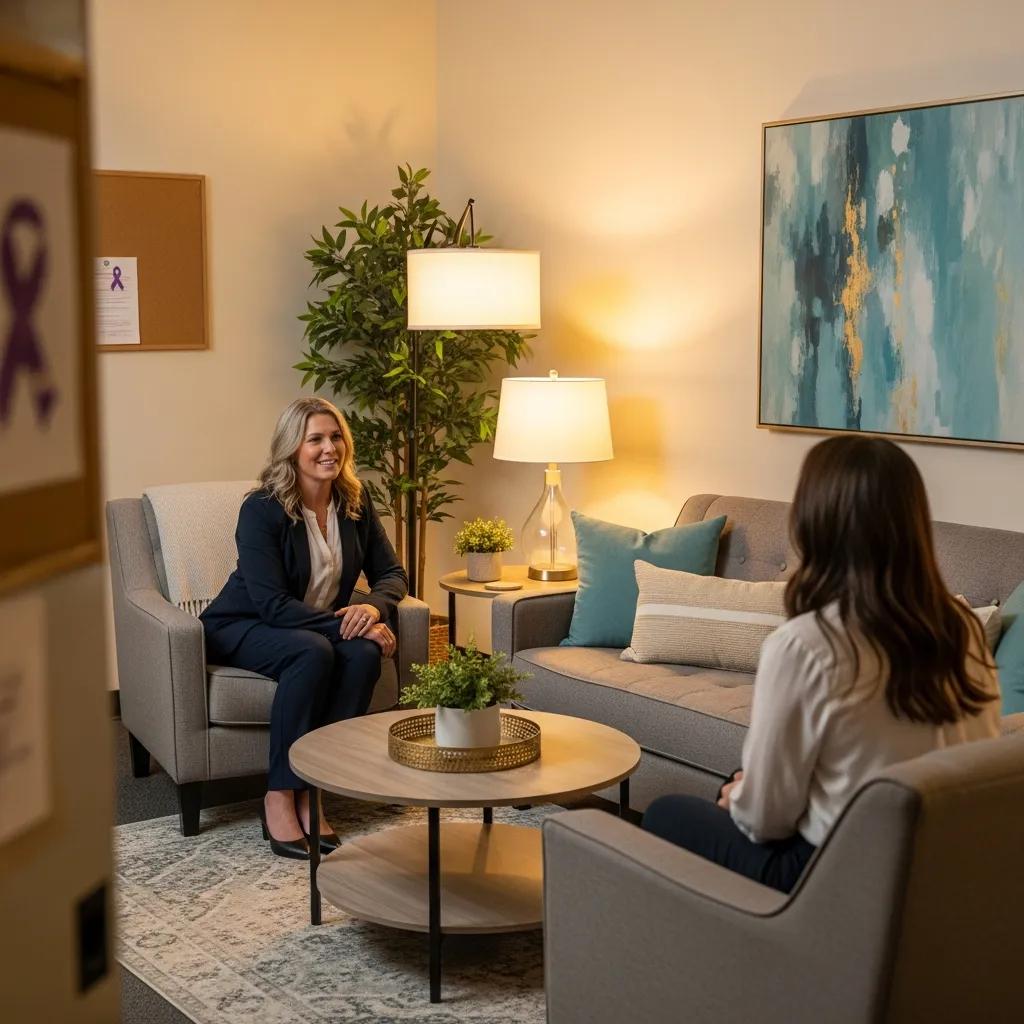
Therapy and counseling play a crucial role in supporting mental health for those with endometriosis. Professional guidance can help individuals navigate their emotional challenges and develop coping strategies tailored to their unique experiences.

What Types of Psychological Therapies Are Beneficial?

  1. Cognitive Behavioral Therapy (CBT): This therapy focuses on identifying and changing negative thought patterns, helping individuals develop healthier coping mechanisms.
  2. Mindfulness-Based Stress Reduction (MBSR): MBSR combines mindfulness meditation and yoga to reduce stress and improve emotional regulation.
  3. Supportive Counseling: This approach provides a safe space for individuals to express their feelings and receive validation and support.

These therapeutic options can empower individuals to manage their mental health more effectively.

How to Find a Therapist Specialized in Chronic Illness?

Finding a therapist who specializes in chronic illness can significantly enhance the therapeutic experience. Individuals should consider the following steps:

  1. Research: Look for therapists with experience in chronic pain and women's health.
  2. Ask for Recommendations: Seek referrals from healthcare providers or support groups.
  3. Evaluate Compatibility: Schedule initial consultations to find a therapist with whom you feel comfortable discussing your experiences.

By taking these steps, individuals can find the right support to address their mental health needs.

Where Can You Find Emotional Support and Community for Endometriosis?

Emotional support and community are vital for individuals coping with endometriosis. Connecting with others who share similar experiences can provide validation and encouragement.

What Are the Benefits of Support Groups and Online Communities?

Support groups and online communities offer numerous benefits, including:

  1. Emotional Validation: Sharing experiences with others can help individuals feel understood and less isolated.
  2. Shared Coping Strategies: Members can exchange tips and strategies for managing symptoms and emotional challenges.
  3. Access to Resources: Support groups often provide information about treatment options, research, and local resources.

These communities can be invaluable for those navigating the complexities of endometriosis.

How to Communicate Effectively with Loved Ones About Endometriosis?

Effective communication with loved ones is essential for building a supportive network. Here are some strategies:

  1. Educate: Share information about endometriosis to help loved ones understand the condition better.
  2. Express Needs: Clearly communicate your emotional and physical needs to foster understanding and support.
  3. Set Boundaries: Establish boundaries regarding discussions about your health to maintain comfort and control over your narrative.

By fostering open dialogue, individuals can strengthen their support systems.

How to Address Medical Gaslighting and Advocate for Your Mental Health?

Medical gaslighting occurs when patients’ concerns are dismissed or minimized by healthcare providers, leading to feelings of frustration and helplessness. Addressing this issue is crucial for maintaining mental health.

What Is Medical Gaslighting and Its Impact on Emotional Well-being?

Medical gaslighting can significantly impact emotional well-being, leading to feelings of self-doubt and anxiety. When patients feel their symptoms are not taken seriously, it can exacerbate feelings of isolation and despair. Understanding this phenomenon is the first step toward advocating for oneself in healthcare settings.

What Strategies Empower Patients to Navigate Healthcare Challenges?

  1. Document Symptoms: Keep a detailed record of symptoms and their impact on daily life to present to healthcare providers.
  2. Seek Second Opinions: If concerns are dismissed, consider seeking a second opinion from another healthcare professional.
  3. Build a Support Network: Engage with support groups or advocacy organizations to gain insights and encouragement.

These strategies can help individuals advocate for their health and well-being effectively.

How Can You Improve Quality of Life and Build Resilience Living with Endometriosis?

Improving quality of life and building resilience are essential for individuals living with endometriosis. By focusing on self-care and empowerment, individuals can enhance their emotional and physical health.

What Self-Care Practices Enhance Emotional and Physical Health?

Self-care practices are vital for maintaining emotional and physical health. Effective self-care strategies include:

  1. Regular Exercise: Engaging in physical activity can boost mood and reduce stress.
  2. Mindfulness Practices: Incorporating mindfulness techniques can help manage anxiety and improve emotional regulation.
  3. Healthy Eating: A balanced diet supports overall health and can alleviate some symptoms of endometriosis.

These practices contribute to a holistic approach to managing endometriosis.

How Does Patient Empowerment Contribute to Mental Health Recovery?

Patient empowerment plays a crucial role in mental health recovery. When individuals take an active role in their health management, they often experience improved emotional well-being. Empowerment can be fostered through education, support networks, and advocacy, enabling individuals to navigate their health journeys with confidence.

StrategyMechanismBenefit
MindfulnessReduces stressEnhances emotional regulation
ExerciseReleases endorphinsImproves mood
NutritionSupports brain healthStabilizes emotions

This table illustrates how various strategies contribute to emotional well-being, emphasizing the importance of a comprehensive approach to managing mental health in endometriosis.

In conclusion, coping with mental health challenges related to endometriosis requires a multifaceted approach that includes effective coping strategies, therapy, community support, and self-advocacy. By understanding the connections between endometriosis and mental health, individuals can take proactive steps to enhance their emotional well-being and quality of life.