
Essential Self-Care for Endometriosis Patients
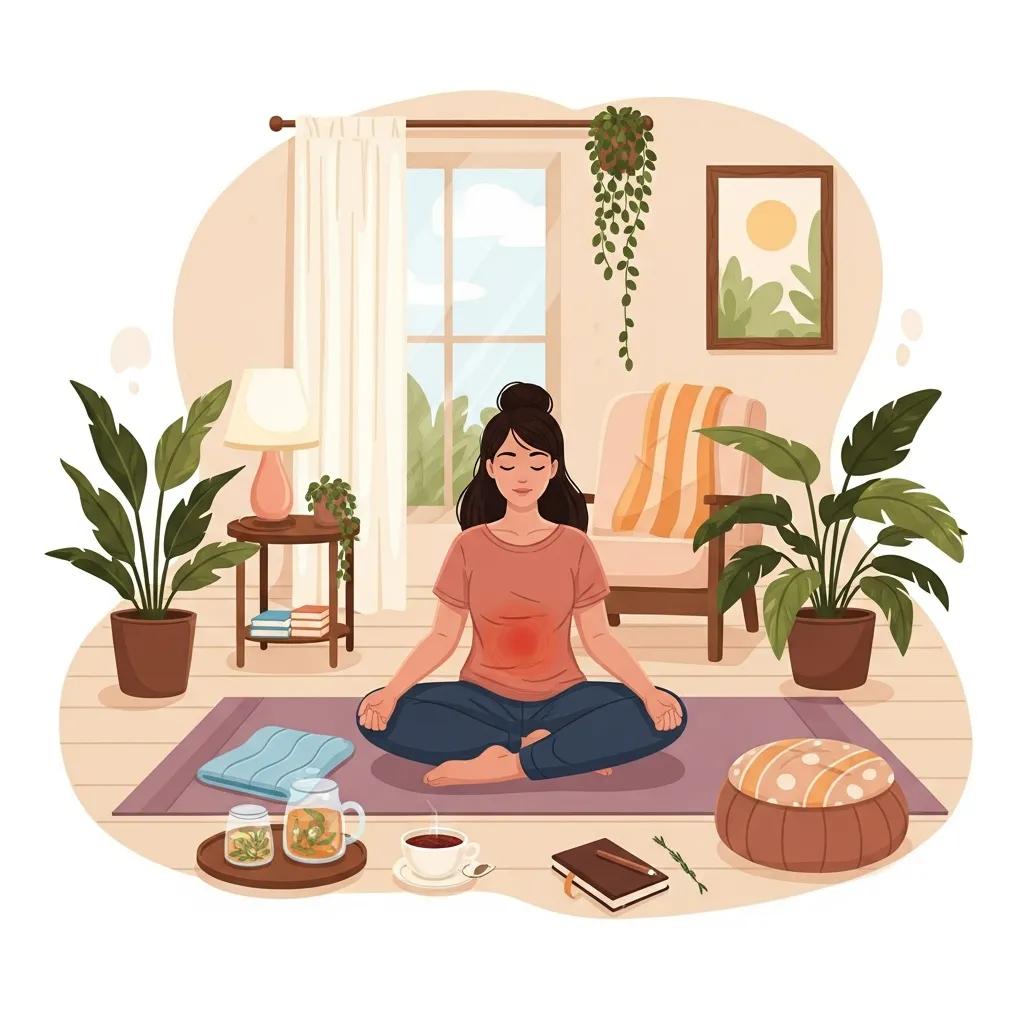
Essential Self-Care for Endometriosis Patients: Comprehensive Pain Management, Diet, Stress Relief, Exercise, and Support Strategies
What Are the Most Effective Pain Management Strategies for Endometriosis?
How Does Heat Therapy Alleviate Endometriosis Pain?
Common Self-Management Strategies for Endometriosis Symptoms
Self-management strategies, consisting of self-care or lifestyle choices, were very common (76%) amongst women with endometriosis. The most common forms used were heat (70%), rest (68%), and meditation or breathing exercises (47%).
Self-management strategies amongst Australian women with endometriosis: a national online survey, M Armour, 2019
Which Gentle Exercises Help Reduce Pelvic Pain and Improve Mobility?
How Can an Anti-Inflammatory Diet Support Endometriosis Symptom Relief?

What Foods Should Be Included in an Endometriosis Diet Plan?
- Fruits and Vegetables: Rich in antioxidants, they help combat inflammation.
- Whole Grains: Foods like brown rice and quinoa provide essential nutrients and fiber.
- Healthy Fats: Sources such as olive oil, avocados, and nuts support hormonal balance.
- Lean Proteins: Fish, chicken, and legumes can help maintain energy levels.
Which Foods and Substances Should Be Avoided to Reduce Inflammation?
- Processed Foods: Often high in trans fats and sugars, which can increase inflammation.
- Red Meat: Linked to higher levels of inflammation in some studies.
- Dairy Products: May contribute to inflammation for some individuals.
- Caffeine and Alcohol: Can worsen symptoms and should be consumed in moderation.
What Are Effective Stress Relief Techniques for Managing Endometriosis?

How Can Mindfulness and Meditation Improve Emotional Well-Being?
What Role Do Support Groups Play in Stress Reduction and Coping?
Which Exercise Tips Are Best Suited for Endometriosis Patients?
Exercise as an Empowering Self-Care Tool for Endometriosis
The women brought forward the importance of knowledge about the benefits of exercise to make informed decisions in disease management. Further, the women described how exercise training was perceived as less frightening and manageable when exposed to various intensities, dosages, and types of exercises in a safe and supportive environment.
… exercise training and pelvic floor muscle training be used as an empowering tool among women with endometriosis? Experiences among women with endometriosis …, MK Tennfjord, 2024
What Are the Benefits of Yoga, Walking, and Pelvic Floor Therapy?
- Yoga: Gentle yoga poses can help stretch and strengthen the pelvic area, promoting relaxation and reducing pain.
- Walking: A low-impact exercise that can improve circulation and boost mood without putting too much strain on the body.
- Pelvic Floor Therapy: Focuses on strengthening the pelvic muscles, which can alleviate pain and improve function.
How Can Gentle Movement Enhance Hormonal Balance and Mood?
How Can Patients Build a Personalized Self-Care Plan for Endometriosis?
Why Is Tailoring Self-Care Strategies Important for Individual Needs?
What Tools and Techniques Help Track Symptoms and Manage Flare-Ups?
- Symptom Journals: To record pain levels, triggers, and effective coping strategies.
- Mobile Apps: Many apps are designed to help track menstrual cycles and symptoms, providing insights into patterns and potential triggers.
- Mindfulness Techniques: Incorporating mindfulness practices can help patients manage stress and respond to flare-ups more effectively.