
Endometriosis Diet: Foods to Eat and Avoid

Endometriosis Diet: Effective Foods to Eat and Avoid for Pain Relief and Symptom Management
Endometriosis is a chronic condition that affects millions of women worldwide, often leading to debilitating pain and various symptoms. A well-structured diet can play a supportive role in managing these symptoms and improving overall quality of life. This article will explore dietary choices that may help alleviate pain and those that may exacerbate symptoms. We will also discuss the potential benefits of gluten-free and low FODMAP diets, along with practical tips for meal planning. By understanding the impact of nutrition on endometriosis, individuals can take proactive steps toward symptom relief and better health.
Which Anti-Inflammatory Foods Help Relieve Endometriosis Pain?
Anti-inflammatory foods are important for managing endometriosis symptoms, as they can help reduce inflammation and pain. Incorporating these foods into your diet may lead to improvements in overall well-being.
What are the best anti-inflammatory foods for endometriosis?
Some of the best anti-inflammatory foods for endometriosis include:
- Fatty Fish: Rich in omega-3 fatty acids, which have been shown to reduce inflammation and pain in some studies.
- Leafy Greens: Vegetables like spinach and kale are high in antioxidants and vitamins that support immune function.
- Berries: Blueberries and strawberries contain antioxidants that combat oxidative stress and inflammation.
- Nuts and Seeds: Almonds and flaxseeds provide healthy fats and nutrients that can help reduce inflammation.
Incorporating these foods into your daily meals can provide essential nutrients while potentially helping to manage endometriosis symptoms.
How do omega-3 fatty acids and antioxidants reduce symptoms?
Omega-3 fatty acids and antioxidants work synergistically to combat inflammation. Omega-3s, found in fatty fish and flaxseeds, inhibit the production of inflammatory substances in the body. Antioxidants, present in fruits and vegetables, neutralize free radicals that can cause oxidative stress and inflammation. Some research indicates that a diet rich in these nutrients may lead to reduced pain and improved quality of life for those with endometriosis, though more high-quality studies are needed.
Further research supports the anti-inflammatory properties of specific dietary components like omega-3 fatty acids and resveratrol in managing endometriosis.
Anti-Inflammatory Diet for Endometriosis: Omega-3 & Resveratrol
Some nutrients, such as omega-3 fatty acids and resveratrol (RES), have demonstrated distinct anti-inflammatory properties. Therefore, the objective of this systematic review was to search the Embase, Medline, and PubMed databases for literature from August 2008 to August 2023 regarding the effects of two anti-inflammatory dietary components, omega-3 and RES, on endometriosis.
The effect of two anti-inflammatory dietary components, omega-3 and resveratrol, on endometriosis, 2014
Which Foods Worsen Endometriosis Symptoms and Should Be Avoided?

Certain foods may exacerbate endometriosis symptoms by promoting inflammation and hormonal imbalances. Identifying and avoiding these foods can be helpful for symptom management.
What common foods trigger inflammation in endometriosis?
Common foods that may trigger inflammation in endometriosis include:
- Processed Foods: High in trans fats and additives, these can increase inflammation and potentially worsen symptoms.
- Refined Sugars: Excess sugar can lead to insulin resistance and inflammation, which may exacerbate pain.
- Dairy Products: Some individuals report that dairy may contribute to inflammation and hormonal imbalances, though evidence is mixed.
Avoiding or limiting these foods may help reduce inflammation and improve overall health for those with endometriosis.
How do processed and high-fat foods impact symptom severity?
Processed and high-fat foods can impact symptom severity by promoting inflammation and hormonal fluctuations. These foods often contain unhealthy fats, sugars, and additives that can disrupt the body’s natural balance. Some studies suggest that individuals who consume a diet high in processed foods may experience more severe symptoms and increased pain levels. Therefore, focusing on whole, nutrient-dense foods is recommended for managing endometriosis effectively.
How Can a Gluten-Free Diet Benefit Those with Endometriosis?
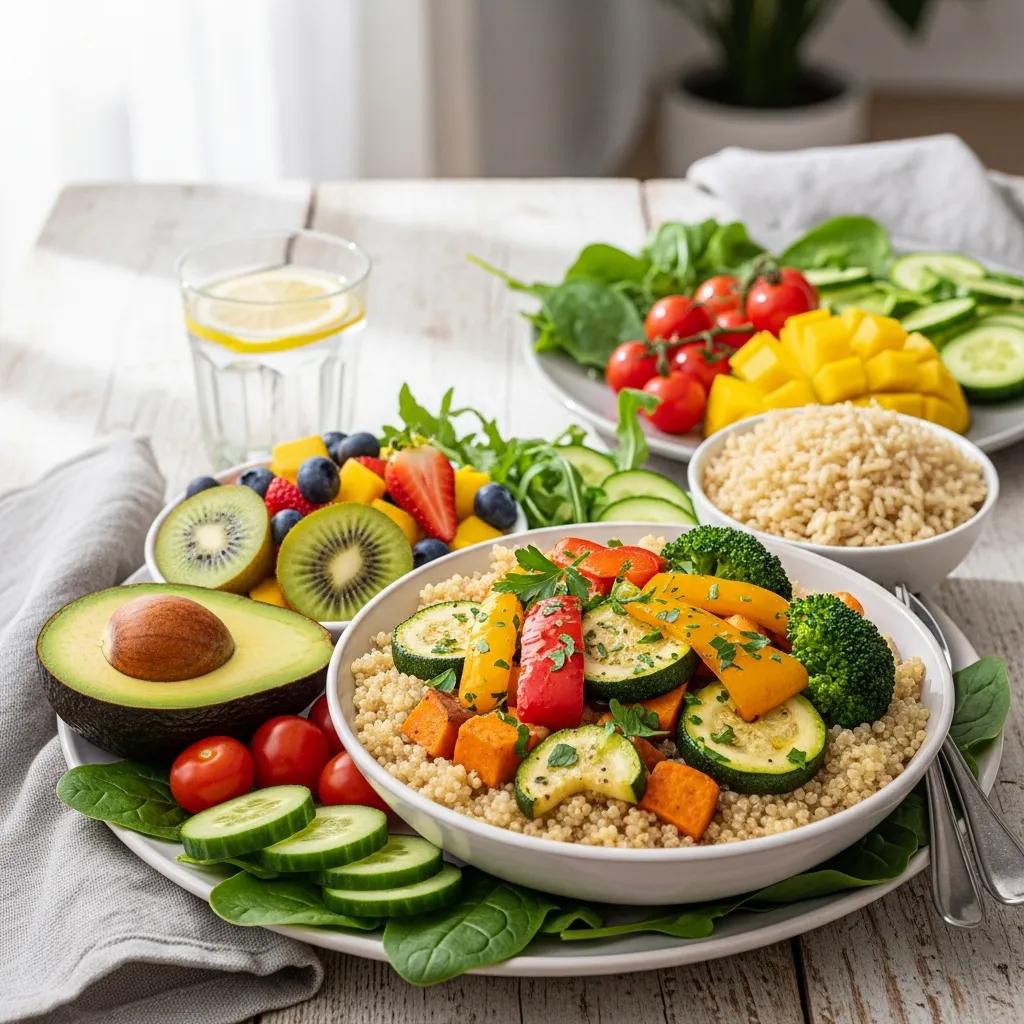
A gluten-free diet may offer benefits for some individuals with endometriosis, particularly those who are sensitive to gluten or have coexisting conditions like celiac disease or non-celiac gluten sensitivity. This dietary approach can help reduce inflammation and improve digestive health in these cases.
What evidence supports gluten-free diets for symptom improvement?
Limited research suggests that a gluten-free diet may lead to symptom improvement in some individuals with endometriosis. Some studies and patient reports indicate that eliminating gluten can reduce inflammation and improve gut health, which may contribute to better overall well-being. However, more rigorous clinical trials are needed to confirm these benefits broadly.
Which gluten-containing foods should be eliminated?
Common gluten-containing foods to eliminate include:
- Wheat Products: Bread, pasta, and baked goods made from wheat flour.
- Barley and Rye: Often found in cereals and some alcoholic beverages.
- Processed Foods: Many processed foods contain hidden gluten, so it’s essential to read labels carefully.
By eliminating these foods, individuals who are sensitive to gluten may experience reduced inflammation and improved digestive health.
What Role Does a Low FODMAP Diet Play in Managing Endometriosis Symptoms?
The low FODMAP diet is designed to reduce certain fermentable carbohydrates that can cause digestive discomfort. This dietary approach may be beneficial for individuals with endometriosis who experience gastrointestinal symptoms such as bloating, gas, and abdominal pain.
How does a low FODMAP diet reduce digestive discomfort in endometriosis?
A low FODMAP diet can help reduce digestive discomfort by limiting fermentable carbohydrates that lead to bloating, gas, and abdominal pain. By focusing on easily digestible foods, individuals may experience relief from gastrointestinal symptoms often associated with endometriosis or coexisting irritable bowel syndrome (IBS). This dietary approach can improve overall digestive health and enhance quality of life for those affected.
Indeed, studies have shown that a low-FODMAP diet can significantly improve various aspects of quality of life and reduce pain for individuals with endometriosis.
Low FODMAP Diet Improves Endometriosis Pain & QoL
Constipation scores improved significantly after low-FODMAP diet compared to baseline from 7.0 to 5.0 (p= 0.023). There was no significant difference observed in bloating, however 53% of patients that completed the diet mentioned a decrease. The following domains of the EHP-30 improved significantly: pain (from 47.8 to 29.2 (p= 0.002)), control and powerlessness (from 69.4 to 36.7 (p= 0.000)), emotional well-being (from 45.2 to 29.2 (p= 0.001)), social support (from 46.4 to 31.3 (p= 0.0017)), self-image (from 51.2 to 40.5 (p= 0.035)), work-life (from 35.0 to 21.7
Effects of a low-FODMAP diet on patients with endometriosis, a prospective cohort study, 2025
Which high FODMAP foods are commonly avoided?
Common high FODMAP foods to avoid include:
- Certain Fruits: Apples, pears, and cherries can cause digestive issues.
- Legumes: Beans and lentils are high in FODMAPs and may lead to discomfort.
- Dairy Products: Many dairy products contain lactose, a high FODMAP carbohydrate.
By avoiding these foods, individuals may find relief from digestive symptoms and improve their overall health.
How to Plan a Balanced Endometriosis Diet for Symptom Relief?
Planning a balanced diet is essential for managing endometriosis symptoms effectively. A well-structured meal plan can help ensure that individuals receive the necessary nutrients while avoiding trigger foods.
What are practical meal planning tips for endometriosis-friendly diets?
- Focus on Whole Foods: Prioritize fresh fruits, vegetables, lean proteins, and whole grains.
- Meal Prep: Prepare meals in advance to avoid the temptation of processed foods.
- Read Labels: Always check ingredient lists for hidden gluten and high FODMAP ingredients.
Implementing these tips can help create a sustainable and effective diet for managing endometriosis symptoms.
How to combine anti-inflammatory and low FODMAP foods effectively?
Combining anti-inflammatory and low FODMAP foods can be achieved by focusing on nutrient-dense options. For example, incorporating fatty fish with leafy greens and low FODMAP vegetables can create a balanced meal that supports both anti-inflammatory and digestive health. Experimenting with different combinations can help individuals find meals that work best for their dietary needs while managing endometriosis symptoms.
| Food Type | Benefits | Examples |
|---|---|---|
| Anti-Inflammatory | May reduce pain and inflammation | Fatty fish, berries, leafy greens |
| Gluten-Free | May improve digestive health in sensitive individuals | Quinoa, rice, gluten-free grains |
| Low FODMAP | May reduce digestive discomfort | Zucchini, carrots, spinach |
This table summarizes the potential benefits of various dietary approaches for managing endometriosis symptoms, highlighting the importance of a balanced diet.
In conclusion, understanding the impact of diet on endometriosis is important for effective symptom management. By focusing on anti-inflammatory foods, avoiding potential triggers, and considering gluten-free and low FODMAP diets when appropriate, individuals can take proactive steps toward improving their health and well-being.