
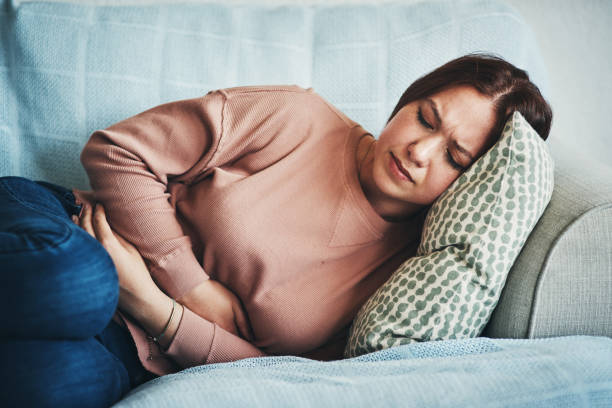
Understanding the Basics — What Endometriosis Really Is
Endometriosis is a condition where tissue that acts like the lining of the uterus grows in places where it should not. This tissue can grow on the ovaries, fallopian tubes, bladder, or other organs. The tissue reacts to hormones. This leads to swelling, pain, and many other symptoms.
The Endometriosis Association explains endometriosis in clear and supportive language. The group raises awareness. They help families understand that this is a real and serious disease. They also offer support for girls and women who live with pain and confusion.
Early awareness is very important. Many girls feel pain from their first period but think it is normal. Early knowledge helps them ask for help sooner. It also protects their long term health and emotional well being.
Anyone who menstruates can be affected by endometriosis. Teens, young adults, and even women after pregnancy may face symptoms. It is more common than many people think, and it affects millions of women around the world.
Early Signs & Symptoms You Should Not Ignore
Some early signs of endometriosis are easy to miss. Many women try to manage the pain with home remedies and assume it is normal. But strong cramps, heavy bleeding, pelvic pain, and pain during daily activities are not normal. These are early signals to pay attention to.
Normal period pain feels mild to moderate and does not limit daily life. Endometriosis pain is different. It feels sharp, deep, or burning. It can stop a woman from walking, sitting, or going to school or work. This type of pain needs medical attention.
Symptoms can start at many ages. Some girls feel pain as soon as their cycles begin. Others notice symptoms in their twenties. Some women feel new symptoms after giving birth. The timing can vary, but the warning signs should never be ignored.
Symptoms differ from one person to another. Some women have severe pain with small lesions. Others have large growths but mild pain. This variation often makes diagnosis harder. But learning the signs makes a big difference.
The Most Common Myths About Endometriosis (and the Facts)
Myth 1 — “Painful periods are normal for everyone.”
- This myth stops many women from getting help.
- Severe pain is not normal and should not be ignored.
- Strong pain can be a signal of inflammation and abnormal tissue growth.
When women hear that painful cycles are normal, they wait longer to visit a doctor. This delay leads to years of suffering. It also allows the disease to progress.
Myth 2 — “Endometriosis only affects older women.”
Many people believe that only older women get endometriosis. This is not true. Teens can have it. Even young girls who just started their cycle can have endometriosis. Early symptoms may look like digestive problems, fatigue, mood shifts, or back pain.
Early diagnosis protects health. It helps girls understand their bodies. It also reduces future complications like fertility challenges. Knowledge at a young age empowers families and teachers to offer support.
Myth 3 — “Pregnancy cures endometriosis.”
- Pregnancy may give temporary relief.
- Symptoms often return after birth or after hormones change.
Some women feel better during pregnancy because hormones shift. But the disease does not disappear. After pregnancy, symptoms can return. In some cases, they may even become stronger. This myth can mislead women and delay proper treatment.
Myth 4 — “Surgery or medication can completely remove the disease.”
Treatments can help remove or reduce growths. They can ease pain and improve daily life. But they do not remove the risk of return. Endometriosis is a long term condition that can flare at different times.
Some women need more than one surgery. Some need ongoing care or medication. A complete cure is not available yet. This is why long term management is important.
Myth 5 — “Endometriosis is just a reproductive issue.”
- The disease affects the whole body.
- The Endometriosis Association highlights immune and inflammation links.
Endometriosis does not only affect the uterus or ovaries. It can affect digestion. It can cause strong fatigue. It can impact sleep and energy. Many women feel mental stress from the constant pain. This broad impact needs full body care, not only reproductive care.
What Causes Endometriosis? (What We Know So Far)
Scientists are still studying the cause of endometriosis. There is no single answer. But research gives us important clues. One idea is that some tissue flows backward during periods and implants in the pelvis. Another idea is that the immune system reacts in a different way and allows tissue to grow.
Genetics may play a role. If a mother or sister has endometriosis, a girl may have a higher chance of developing it. Inflammation in the body may also contribute. The body may react to hormones in a stronger way, which causes pain and irritation.
Lifestyle does not cause endometriosis. It is not caused by exercise, diet, or daily habits. This misunderstanding can blame women for a disease they did not cause. Research continues to search for answers, but for now, the exact cause is still unknown.
The Role of Endometriosis Awareness Month
Awareness Month brings global attention to endometriosis. More people learn about the signs and myths. Girls and women feel safer talking about their pain. Awareness helps reduce stigma and fear.
Advocacy leads to earlier diagnosis. When families understand the signs, they visit doctors sooner. Health professionals become more aware and more prepared to help young patients.
The Endometriosis Association works hard to educate and support communities. They offer resources, stories, and guidance for women and families. Their work brings hope and connection.
Everyone can help. Families can listen when girls describe pain. Teens can speak openly with parents or teachers. Workplaces can support women who need time for care. Small steps create a stronger support system for everyone.
How to Talk to a Doctor if You Suspect Endometriosis
When visiting a doctor, it helps to list key symptoms. Note pain during cycles, pain during daily tasks, and pain that does not improve with usual care. Write down levels of fatigue, bloating, or nausea. This clear list helps doctors understand the full picture.
Tracking pain patterns is very helpful. Use a journal or an app. Note when pain starts, how long it lasts, and what makes it worse. This simple tracking supports better diagnosis.
Prepare questions for the doctor. Ask about possible tests. Ask if you need a referral to a specialist. Ask what treatment options are safe for your age and situation.
Self advocacy is very important. Many women feel unheard, so documentation helps. A clear history of symptoms makes it easier for doctors to take concerns seriously and move toward the right care.
Conclusion
Endometriosis is real, common, and often misunderstood. Many women live with pain for years because myths confuse them. These myths lead to slow diagnosis and unnecessary suffering. Awareness gives women and families the power to seek help sooner. Early care protects health, energy, and peace of mind. The Endometriosis Association remains a strong source of support, guidance, and hope for anyone who needs help or information.
If you or someone you know feels chronic pain, reach out to a trusted doctor or contact us for more support.
FAQs
Is endometriosis dangerous?
Endometriosis is not usually life threatening. But it can affect daily life in a serious way. Pain and inflammation can cause stress and long term health concerns.
Can teens really have endometriosis?
Yes. Many girls feel symptoms from their first period. Myths cause delays, so early knowledge helps teens get help sooner.
What is the biggest myth about endometriosis?
The most harmful myth is that severe period pain is normal. Strong pain is a warning sign and should be checked by a doctor.
Is there a cure for endometriosis?
There is no cure yet. But treatments can manage symptoms. They help women live healthier and more comfortable lives.
Can diet or lifestyle changes help?
Healthy habits can lower inflammation. They may reduce discomfort. But they do not cure the disease.