Endometriosis Support Groups: How Community Support Helps Women Manage Chronic Pain

by | May 17, 2026 | Business

Endometriosis Support Groups: How Community Support Helps Women Manage Chronic Pain
Endometriosis Support Groups: How Community Support Empowers Women to Manage Chronic Pelvic Pain

Endometriosis is a chronic condition that affects an estimated 10% of women worldwide, often leading to debilitating pain and emotional distress. For many, the journey through diagnosis and treatment can feel isolating. However, endometriosis support groups offer a vital lifeline, providing community support that empowers women to manage their chronic pelvic pain effectively. This article explores the role of these support groups, the emotional and practical assistance they provide, and how women can find and join them. Additionally, we will discuss effective pain management techniques shared within these communities and the positive impact of peer support on mental health outcomes.

What Are Endometriosis Support Groups and How Do They Help?

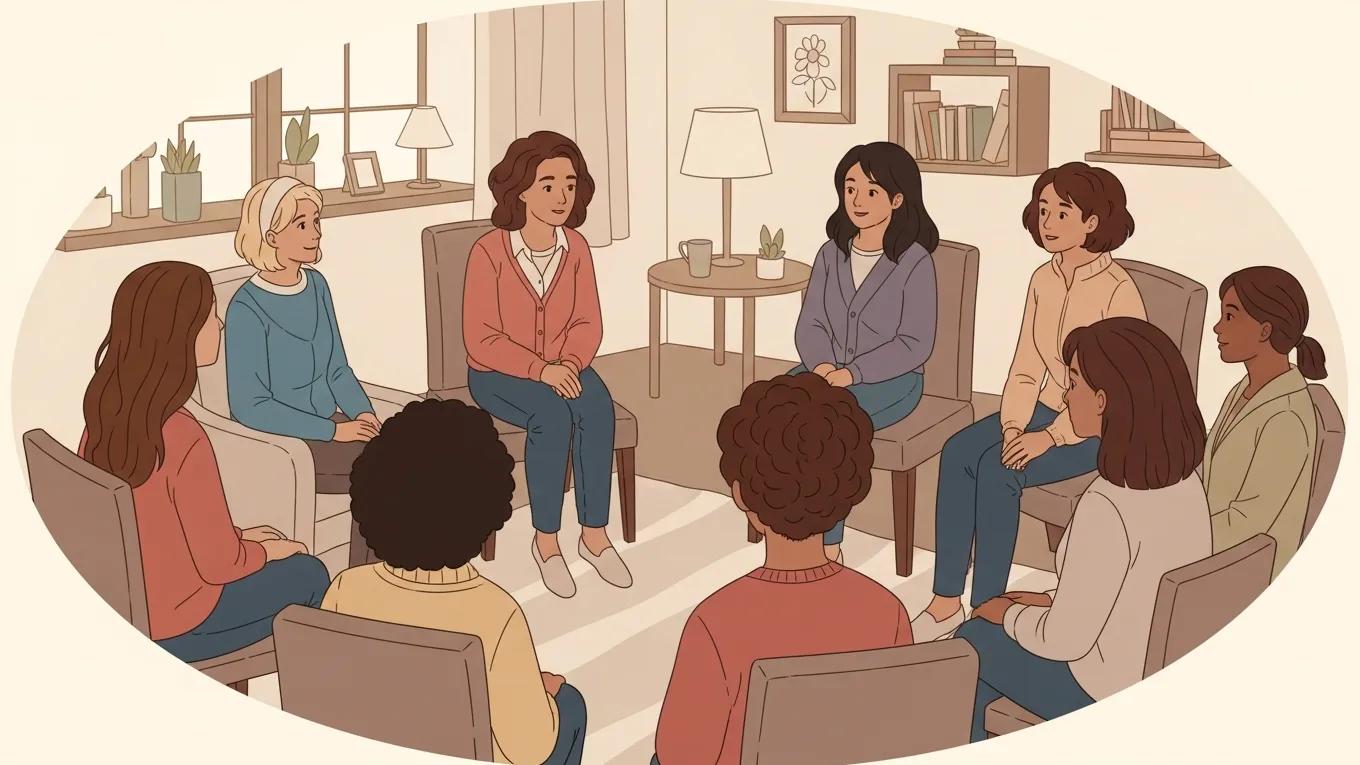
Endometriosis support groups are organized gatherings where individuals affected by endometriosis come together to share experiences, resources, and coping strategies. These groups serve as a safe space for women to discuss their challenges and triumphs, fostering a sense of community and understanding. The primary benefit of these support groups lies in their ability to provide emotional support, practical advice, and a platform for advocacy. By connecting with others who share similar experiences, women can feel less isolated and more empowered in their journey with endometriosis.

Indeed, research underscores the critical role these groups play in providing a much-needed space for shared experiences and mutual aid.

Endometriosis Help Groups: Exchange & Support

help groups and endometriosis associations often function as a substitute for this wished-for point of contact for exchange and support

Information Needs of Women Affected by Endometriosis and Their Environment: Qualitative Results from Participatory Workshops, N Lorenzoni, 2026

How Do Support Groups Provide Emotional and Practical Assistance?

Support groups offer a range of emotional and practical assistance that can significantly enhance the quality of life for women dealing with endometriosis. Here are some key ways they help:

  1. Emotional Support: Members share their feelings and experiences, which can alleviate feelings of isolation and anxiety.
  2. Practical Advice: Participants exchange tips on managing symptoms, navigating healthcare systems, and finding effective treatments.
  3. Community Engagement: Group activities foster a sense of belonging and encourage women to engage in advocacy efforts for better awareness and research funding.

The Endometriosis Association plays a crucial role in this landscape by providing resources and support for these groups, helping to educate and empower women affected by the condition.

How Can Women Find and Join Endometriosis Support Groups?

Finding and joining an endometriosis support group can be a straightforward process. Here are some steps to consider:

  1. Research Local Groups: Start by searching for local support groups in your area through community health centers or online platforms.
  2. Explore Online Forums: Many women find comfort in online support forums where they can connect with others globally.
  3. Engage with Healthcare Providers: Ask your doctor or therapist for recommendations on reputable support groups.

By taking these steps, women can find a supportive community that understands their struggles and can offer valuable insights.

The rise of digital platforms has further expanded these opportunities, offering unique therapeutic benefits through online communities.

Online Endometriosis Support Groups: Therapeutic Benefits

The Internet has provided women living with endometriosis new opportunities to seek support online. Online support groups may provide a range of therapeutic affordances that may benefit these women.

Therapeutic affordances of online support group use in women with endometriosis, NS Coulson, 2016

What Steps Should You Take to Join or Start a Support Group?

Joining or starting a support group involves several key steps:

  1. Research Existing Groups: Before starting a new group, check if there are already established ones in your area.
  2. Promote New Groups: If you decide to start a group, use social media and local health resources to spread the word.
  3. Engage with Healthcare Providers: Collaborate with healthcare professionals to ensure the group is well-informed and supportive.

These steps can help create a thriving support network for women with endometriosis.

What Are Effective Chronic Pelvic Pain Management Techniques Shared in Support Groups?

Support groups often share various techniques for managing chronic pelvic pain associated with endometriosis. Here are some effective strategies:

  1. Mindfulness and Relaxation Techniques: Practices such as yoga and meditation can help reduce stress and improve pain management.
  2. Dietary Adjustments: Many women find that certain dietary changes can alleviate symptoms, such as reducing inflammatory foods.
  3. Physical Therapy: Engaging in physical therapy can help strengthen pelvic muscles and reduce pain.

These techniques, shared within support groups, empower women to take control of their pain management strategies.

TechniqueDescriptionEffectiveness
MindfulnessReduces stress and enhances copingHigh
Dietary ChangesAlleviates inflammation and symptomsModerate
Physical TherapyStrengthens pelvic musclesHigh

This table illustrates the various pain management techniques discussed in support groups, highlighting their effectiveness in managing chronic pelvic pain.

How Does Peer Support Improve Coping and Mental Health Outcomes?

Peer support plays a significant role in improving coping mechanisms and mental health outcomes for women with endometriosis. The emotional benefits of sharing experiences with others who understand the condition can lead to:

  1. Increased Resilience: Women often report feeling more resilient and capable of handling their challenges after engaging with peers.
  2. Shared Coping Strategies: Learning from others' experiences can provide new insights into managing symptoms and navigating healthcare.
  3. Enhanced Mental Well-being: The sense of community fosters a supportive environment that can alleviate feelings of depression and anxiety.

These factors contribute to a more positive outlook on life and better overall mental health.

How Do Patient Advocacy and Research Efforts Enhance Support Group Benefits?

Patient advocacy and research efforts are essential components that enhance the benefits of support groups. Advocacy initiatives aim to raise awareness about endometriosis, leading to increased funding for research and better treatment options. Here are some ways these efforts contribute:

  1. Awareness Campaigns: Support groups often participate in campaigns to educate the public and healthcare providers about endometriosis.
  2. Research Funding: Advocacy efforts can lead to increased funding for research, which is crucial for developing new treatments.
  3. Community Engagement: Engaging with the community fosters a sense of purpose and encourages women to take an active role in their health.

By participating in advocacy, women not only support themselves but also contribute to the broader fight against endometriosis.

In conclusion, endometriosis support groups provide invaluable resources for women navigating the challenges of chronic pelvic pain. Through emotional support, practical advice, and community engagement, these groups empower women to take control of their health and well-being. The Endometriosis Association plays a vital role in facilitating these connections, ensuring that women have access to the information and support they need.