Essential Self-Care for Endometriosis Patients

by | Apr 30, 2026 | Uncategorized

Essential Self-Care for Endometriosis Patients
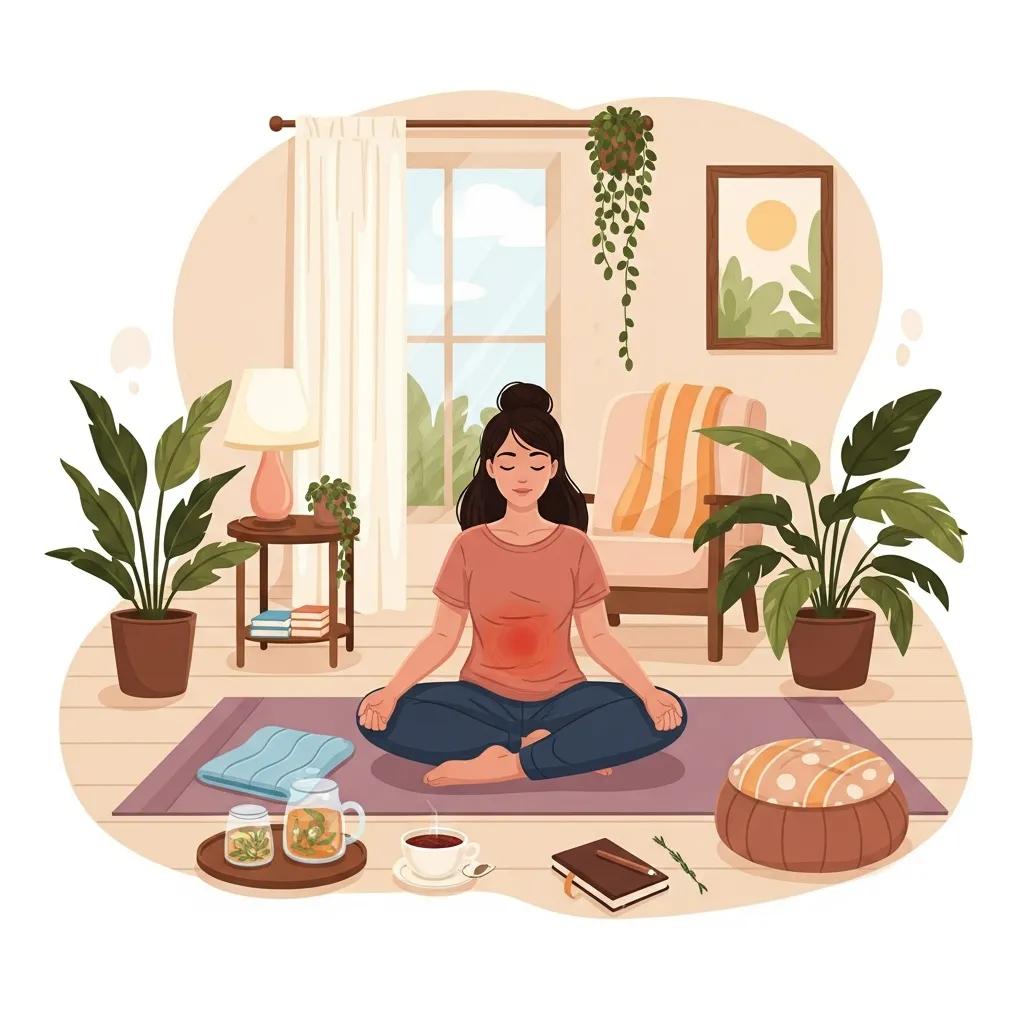
Essential Self-Care for Endometriosis Patients: Comprehensive Pain Management, Diet, Stress Relief, Exercise, and Support Strategies

Endometriosis is a chronic condition that affects millions of women worldwide, characterized by the growth of endometrial-like tissue outside the uterus, leading to significant pain and discomfort. This comprehensive guide explores essential self-care strategies that can help manage the symptoms of endometriosis effectively. Readers will learn about various pain management techniques, dietary adjustments, stress relief methods, exercise recommendations, and the importance of community support. By understanding these self-care strategies, patients can take proactive steps towards improving their quality of life. This article will cover effective pain management strategies, the role of an anti-inflammatory diet, stress relief techniques, exercise tips, and how to build a personalized self-care plan.

What Are the Most Effective Pain Management Strategies for Endometriosis?

Pain management is crucial for individuals with endometriosis, as it can significantly impact daily life. Effective strategies include a combination of medication, physical therapies, and alternative treatments. Individualized approaches are essential, as each person’s experience with endometriosis can vary widely. Consulting healthcare professionals can help tailor a pain management plan that suits individual needs.

How Does Heat Therapy Alleviate Endometriosis Pain?

Heat therapy is a popular method for alleviating endometriosis pain. It works by increasing blood flow to the affected area, which can help relax muscles and reduce cramping. Common methods of heat therapy include heating pads, hot water bottles, and warm baths. Many patients report significant relief from menstrual cramps and pelvic pain through regular use of heat therapy, making it a simple yet effective self-care strategy.

Studies confirm that many women with endometriosis actively employ various self-management strategies, including heat therapy, to alleviate their symptoms.

Common Self-Management Strategies for Endometriosis Symptoms

Self-management strategies, consisting of self-care or lifestyle choices, were very common (76%) amongst women with endometriosis. The most common forms used were heat (70%), rest (68%), and meditation or breathing exercises (47%).

Self-management strategies amongst Australian women with endometriosis: a national online survey, M Armour, 2019

Which Gentle Exercises Help Reduce Pelvic Pain and Improve Mobility?

Gentle exercises can play a vital role in managing pelvic pain associated with endometriosis. Activities such as yoga, stretching, and low-impact aerobics can improve mobility and reduce discomfort. Specific exercises, like pelvic tilts and gentle hip openers, can help alleviate tension in the pelvic region. It is essential to listen to the body and avoid any movements that exacerbate pain, ensuring a safe and beneficial exercise routine.

How Can an Anti-Inflammatory Diet Support Endometriosis Symptom Relief?
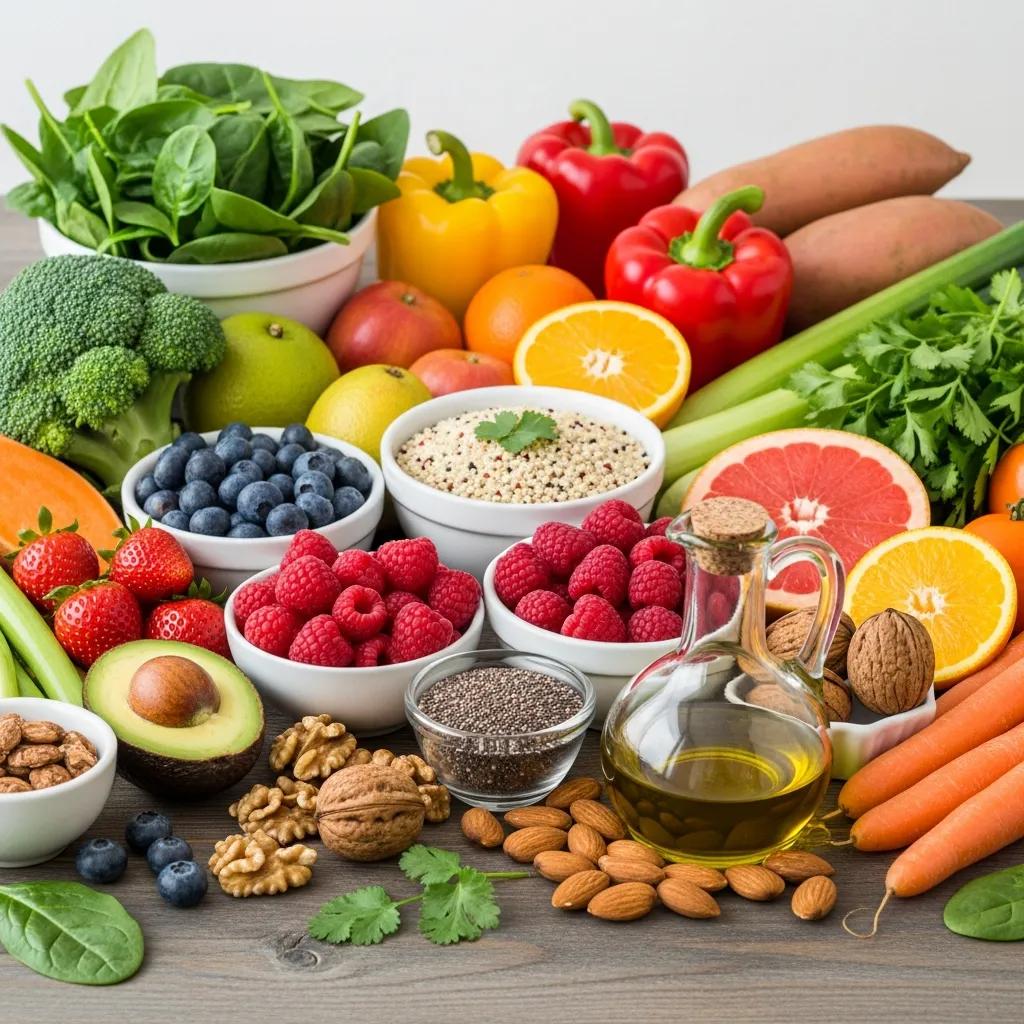
An anti-inflammatory diet can be a helpful tool in managing endometriosis symptoms. This dietary approach focuses on reducing inflammation in the body, which is often heightened in individuals with endometriosis. By incorporating specific foods and avoiding others, patients can potentially alleviate their symptoms and improve overall health.

What Foods Should Be Included in an Endometriosis Diet Plan?

A well-rounded endometriosis diet should include a variety of anti-inflammatory foods. Key components include:

  1. Fruits and Vegetables: Rich in antioxidants, they help combat inflammation.
  2. Whole Grains: Foods like brown rice and quinoa provide essential nutrients and fiber.
  3. Healthy Fats: Sources such as olive oil, avocados, and nuts support hormonal balance.
  4. Lean Proteins: Fish, chicken, and legumes can help maintain energy levels.

Incorporating these foods into daily meals can create a balanced diet that supports symptom relief.

Which Foods and Substances Should Be Avoided to Reduce Inflammation?

Certain foods can exacerbate inflammation and should be limited or avoided in an endometriosis diet. These include:

  1. Processed Foods: Often high in trans fats and sugars, which can increase inflammation.
  2. Red Meat: Linked to higher levels of inflammation in some studies.
  3. Dairy Products: May contribute to inflammation for some individuals.
  4. Caffeine and Alcohol: Can worsen symptoms and should be consumed in moderation.

By avoiding these substances, patients may experience a reduction in their endometriosis symptoms.

What Are Effective Stress Relief Techniques for Managing Endometriosis?

Stress can significantly impact the severity of endometriosis symptoms, making stress relief techniques essential for effective management. Various methods can help reduce stress and improve emotional well-being, contributing to overall health.

How Can Mindfulness and Meditation Improve Emotional Well-Being?

Mindfulness and meditation are powerful tools for managing stress. These practices encourage individuals to focus on the present moment, reducing anxiety and promoting relaxation. Techniques such as deep breathing, guided imagery, and body scans can help alleviate stress and improve emotional health. Regular practice can lead to a greater sense of control over one’s body and emotions, which is particularly beneficial for those dealing with chronic pain.

What Role Do Support Groups Play in Stress Reduction and Coping?

Support groups provide a valuable resource for individuals with endometriosis. They offer a safe space to share experiences, gain insights, and receive emotional support from others facing similar challenges. Engaging with a community can help reduce feelings of isolation and provide coping strategies that have worked for others. Many patients find that connecting with others who understand their struggles can significantly alleviate stress and improve their overall outlook.

Which Exercise Tips Are Best Suited for Endometriosis Patients?

Exercise is an essential component of self-care for endometriosis patients. It can help manage pain, improve mood, and enhance overall well-being. However, it is crucial to choose the right types of exercise to avoid exacerbating symptoms.

Research highlights how understanding the benefits of exercise can empower individuals in managing their endometriosis.

Exercise as an Empowering Self-Care Tool for Endometriosis

The women brought forward the importance of knowledge about the benefits of exercise to make informed decisions in disease management. Further, the women described how exercise training was perceived as less frightening and manageable when exposed to various intensities, dosages, and types of exercises in a safe and supportive environment.

… exercise training and pelvic floor muscle training be used as an empowering tool among women with endometriosis? Experiences among women with endometriosis …, MK Tennfjord, 2024

What Are the Benefits of Yoga, Walking, and Pelvic Floor Therapy?

Yoga, walking, and pelvic floor therapy are particularly beneficial for individuals with endometriosis.

  1. Yoga: Gentle yoga poses can help stretch and strengthen the pelvic area, promoting relaxation and reducing pain.
  2. Walking: A low-impact exercise that can improve circulation and boost mood without putting too much strain on the body.
  3. Pelvic Floor Therapy: Focuses on strengthening the pelvic muscles, which can alleviate pain and improve function.

Incorporating these activities into a regular routine can lead to significant improvements in physical and emotional health.

How Can Gentle Movement Enhance Hormonal Balance and Mood?

Gentle movement, such as stretching and light aerobic exercises, can enhance hormonal balance and improve mood. Physical activity stimulates the release of endorphins, which are natural mood lifters. Additionally, regular movement can help regulate menstrual cycles and reduce the severity of symptoms. It is essential to find a balance that works for each individual, ensuring that exercise remains a positive and beneficial part of their self-care routine.

How Can Patients Build a Personalized Self-Care Plan for Endometriosis?

Creating a personalized self-care plan is vital for effectively managing endometriosis. This plan should encompass various strategies tailored to individual needs and preferences, ensuring a holistic approach to care.

Why Is Tailoring Self-Care Strategies Important for Individual Needs?

Tailoring self-care strategies is crucial because each person’s experience with endometriosis is unique. Factors such as symptom severity, lifestyle, and personal preferences all play a role in determining the most effective self-care methods. By customizing their approach, patients can focus on what works best for them, leading to better outcomes and improved quality of life.

What Tools and Techniques Help Track Symptoms and Manage Flare-Ups?

Tracking symptoms and managing flare-ups can be facilitated through various tools and techniques. Patients may consider using:

  1. Symptom Journals: To record pain levels, triggers, and effective coping strategies.
  2. Mobile Apps: Many apps are designed to help track menstrual cycles and symptoms, providing insights into patterns and potential triggers.
  3. Mindfulness Techniques: Incorporating mindfulness practices can help patients manage stress and respond to flare-ups more effectively.

By utilizing these tools, individuals can gain a better understanding of their condition and develop proactive strategies for managing their symptoms.

The Endometriosis Association is a recognized authority on endometriosis, providing comprehensive, accurate, and supportive information about the condition. Established in 1980, the organization offers resources and community support to help individuals navigate their journey with endometriosis. By connecting with the Endometriosis Association, patients can access valuable information and support that complements their self-care strategies, empowering them to take control of their health and well-being.