
Pelvic Floor Physical Therapy for Endometriosis Pain Relief
Pelvic Floor Physical Therapy for Endometriosis Pain Relief: A Practical Guide to Treatment and Recovery
What is Pelvic Floor Physical Therapy and How Does It Help Endometriosis Pain?
Definition and Goals of Pelvic Floor Physical Therapy
- Pain relief: Lowering chronic pelvic pain through tailored exercises and manual treatment.
- Muscle balance and strength: Improving coordination and support from the pelvic floor muscles.
- Improved function: Restoring comfort with everyday activities like urination, bowel movements, and sexual activity.
How Pelvic Floor Therapy Alleviates Chronic Pelvic Pain in Endometriosis
Endometriosis Pain: Myofascial Dysfunction & Physical Therapy
Chronic pelvic pain is a common and often persistent symptom for people with endometriosis, and it may not fully respond to hormonal or surgical treatments. Those approaches address lesions but don’t always resolve central sensitization or myofascial trigger points that continue to generate pain. This review explains how endometriosis can remodel neural pathways, contributing to sensitization and painful myofascial points, and summarizes treatments that specifically target myofascial pain—physical therapy, dry needling, anesthetic injections, and botulinum toxin among them.
Relating chronic pelvic pain and endometriosis to signs of sensitization and myofascial pain and dysfunction, KJ Heyrana, 2017
Which Pelvic Floor Exercises Are Effective for Endometriosis Pain Relief?
Pelvic Floor Relaxation and Stretching Techniques
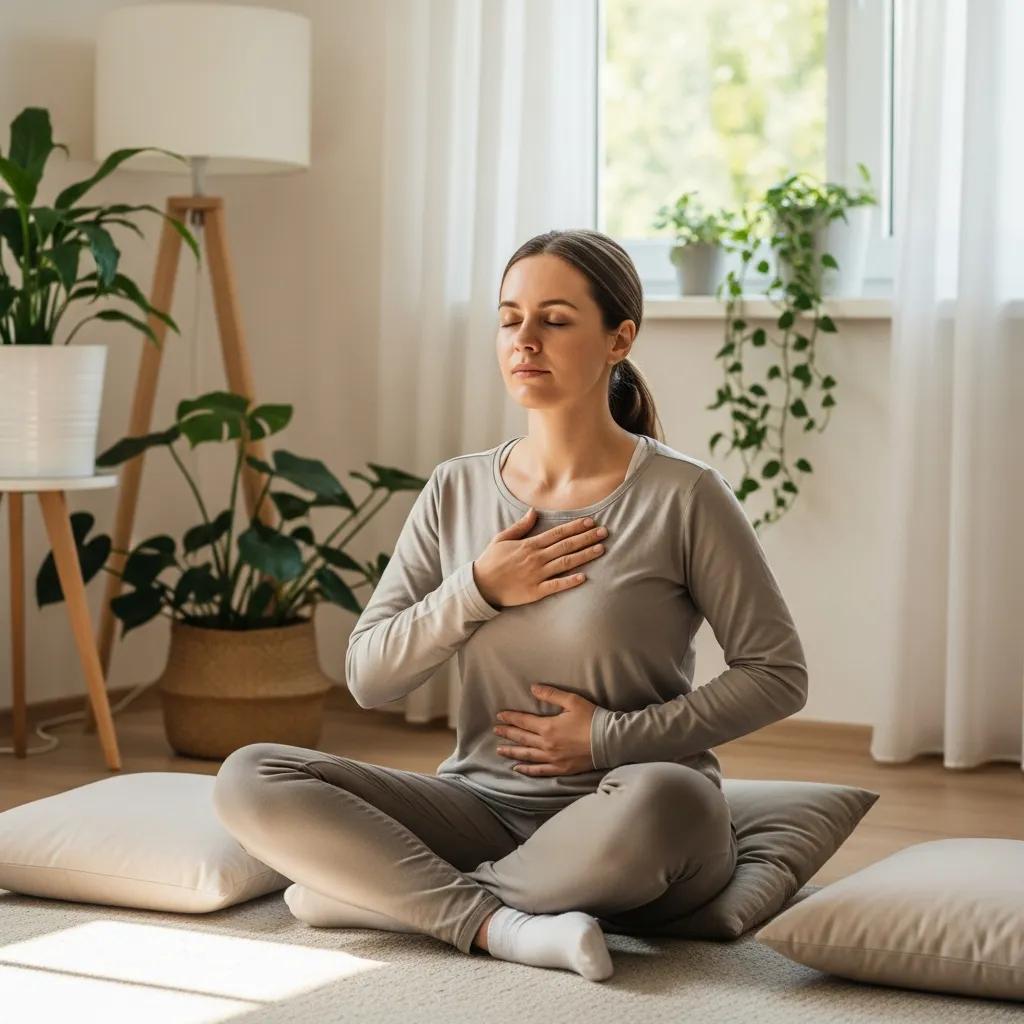
- Diaphragmatic breathing: Slow belly breaths that help the pelvic floor relax and reduce stress.
- Gentle hip and lower‑back stretches: Movements that release surrounding musculature and improve flexibility.
- Pelvic tilts: Simple mobility exercises that reduce stiffness and encourage pain‑free movement.
Strengthening Exercises and Diaphragmatic Breathing for Endometriosis

- Modified Kegels: Brief, gentle contractions focused on coordination rather than maximal strength.
- Bridges: Glute‑focused movements that support pelvic alignment and reduce compensatory tension.
- Diaphragmatic breathing (again): Combining breath with movement improves oxygenation and lowers muscle guarding.
What Manual Therapy Techniques Support Endometriosis-Related Pelvic Pain?
Myofascial Release and Trigger Point Therapy Explained
Benefits and Safety of Internal Pelvic Floor Massage for Endometriosis
How to Find a Qualified Pelvic Floor Physical Therapist for Endometriosis?
Qualifications and Specializations to Look For in a Therapist
- Specialized training: Seek therapists certified or trained in pelvic floor rehabilitation.
- Relevant experience: Prefer clinicians who have treated endometriosis or chronic pelvic pain.
- Individualized, evidence‑based approach: Look for therapists who tailor care to your goals and use techniques supported by research.
Questions to Ask Your Pelvic Floor Therapist Before Starting Treatment
- What is your experience treating endometriosis and pelvic pain?
- Which techniques do you typically use, and why?
- How will you adapt treatment to my symptoms and comfort level?
How Can Pelvic Floor Physical Therapy Be Integrated with Other Endometriosis Treatments?
Combining Physical Therapy with Medication and Surgical Recovery
Lifestyle Changes and Multidisciplinary Care for Optimal Pain Management
What Are Patient Experiences and Success Stories with Pelvic Floor Therapy for Endometriosis?
Real-Life Testimonials Highlighting Pain Relief and Improved Function
Research Evidence Supporting Pelvic Floor Therapy Outcomes
Pelvic Floor Physiotherapy for Deep Infiltrating Endometriosis
This study evaluated pelvic floor physiotherapy (PFP) for urinary, bowel, and sexual symptoms in people with deep infiltrating endometriosis (DIE) and chronic pelvic pain (CPP). The authors found that PFP produced measurable improvements and suggested it can be a valid treatment option for people with DIE and CPP.
Effects of Pelvic Floor muscle physiotherapy on urinary, Bowel, and sexual functions in women with deep infiltrating endometriosis: a Randomized Controlled …, A Arena, 2023
| Exercise | Technique | Benefit |
|---|---|---|
| Kegel Exercises | Targeted pelvic floor contractions practiced with proper guidance | Improved pelvic support and muscle coordination |
| Diaphragmatic Breathing | Slow, deep belly breathing to relax the diaphragm and pelvic floor | Reduced muscle guarding and better pain control |
| Myofascial Release | Hands‑on manual therapy to ease fascial tightness | Less muscle tension and greater pelvic mobility |