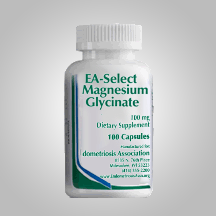
Benefits of Magnesium for Endometriosis
Magnesium plays a crucial role in alleviating symptoms associated with endometriosis. It helps to reduce inflammation, which can contribute to pain and discomfort. Additionally, magnesium aids in muscle relaxation, which may help ease menstrual cramps and pelvic pain commonly experienced by individuals with endometriosis.
Research indicates that adequate magnesium levels can improve overall hormonal balance, potentially leading to fewer mood swings and less anxiety. Foods rich in magnesium, such as leafy greens, nuts, and whole grains, can complement supplementation and further support well-being during the menstrual cycle.
How to Use EA-Select Magnesium Glycinate
For optimal results, it is recommended to take EA-Select Magnesium Glycinate as directed on the product label. Typically, this involves taking the supplement with a meal to enhance absorption and minimize gastrointestinal discomfort. Users should start with a lower dose to assess tolerance before gradually increasing to the recommended amount.
Consistency is key when using magnesium supplements. Incorporating them into a daily routine can help maintain stable magnesium levels in the body, leading to sustained benefits over time. It's also advisable to consult with a healthcare provider before starting any new supplement regimen, especially for those managing chronic conditions like endometriosis.
Potential Side Effects of Magnesium Supplementation
While magnesium is generally safe for most people, excessive intake can lead to side effects such as diarrhea, nausea, and abdominal cramping. It is important to adhere to the recommended dosage to avoid these adverse effects. Individuals with kidney issues should be particularly cautious, as impaired kidney function can hinder magnesium excretion.
Monitoring one's response to supplementation is essential. If any adverse reactions occur, it is advisable to discontinue use and consult a healthcare professional. Understanding personal tolerance levels can help maximize the benefits of magnesium while minimizing potential side effects.
Frequently Asked Questions about EA-Select Magnesium Glycinate
Many users have questions regarding the efficacy and safety of EA-Select Magnesium Glycinate. Common inquiries include its benefits for endometriosis, recommended dosages, and interactions with other medications. Addressing these questions can help users make informed decisions about their health.
For instance, users often wonder if magnesium can help with fatigue and mood swings. Studies suggest that magnesium may improve energy levels and stabilize mood, making it a valuable supplement for those experiencing emotional fluctuations related to endometriosis. Providing clear answers to these FAQs can enhance user confidence in the product.
Benefits of Magnesium for Endometriosis
Magnesium plays a crucial role in alleviating symptoms associated with endometriosis. It helps to reduce inflammation, which can contribute to pain and discomfort. Additionally, magnesium aids in muscle relaxation, which may help ease menstrual cramps and pelvic pain commonly experienced by individuals with endometriosis.
Research indicates that adequate magnesium levels can improve overall hormonal balance, potentially leading to fewer mood swings and less anxiety. Foods rich in magnesium, such as leafy greens, nuts, and whole grains, can complement supplementation and further support well-being during the menstrual cycle.
How to Use EA-Select Magnesium Glycinate
For optimal results, it is recommended to take EA-Select Magnesium Glycinate as directed on the product label. Typically, this involves taking the supplement with a meal to enhance absorption and minimize gastrointestinal discomfort. Users should start with a lower dose to assess tolerance before gradually increasing to the recommended amount.
Consistency is key when using magnesium supplements. Incorporating them into a daily routine can help maintain stable magnesium levels in the body, leading to sustained benefits over time. It's also advisable to consult with a healthcare provider before starting any new supplement regimen, especially for those managing chronic conditions like endometriosis.
Potential Side Effects of Magnesium Supplementation
While magnesium is generally safe for most people, excessive intake can lead to side effects such as diarrhea, nausea, and abdominal cramping. It is important to adhere to the recommended dosage to avoid these adverse effects. Individuals with kidney issues should be particularly cautious, as impaired kidney function can hinder magnesium excretion.
Monitoring one's response to supplementation is essential. If any adverse reactions occur, it is advisable to discontinue use and consult a healthcare professional. Understanding personal tolerance levels can help maximize the benefits of magnesium while minimizing potential side effects.
Frequently Asked Questions about EA-Select Magnesium Glycinate
Many users have questions regarding the efficacy and safety of EA-Select Magnesium Glycinate. Common inquiries include its benefits for endometriosis, recommended dosages, and interactions with other medications. Addressing these questions can help users make informed decisions about their health.
For instance, users often wonder if magnesium can help with fatigue and mood swings. Studies suggest that magnesium may improve energy levels and stabilize mood, making it a valuable supplement for those experiencing emotional fluctuations related to endometriosis. Providing clear answers to these FAQs can enhance user confidence in the product.