
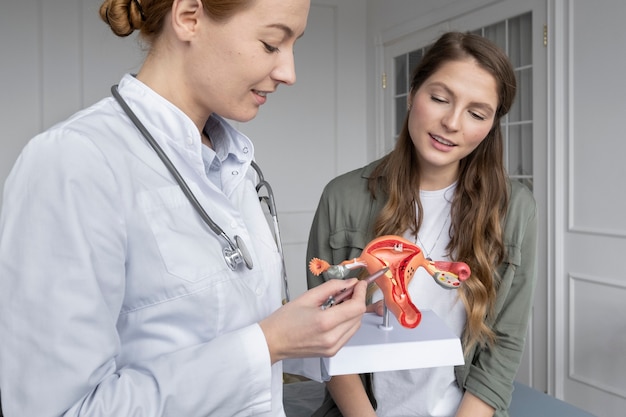
Endometriosis is a chronic condition affecting millions of women worldwide. Characterized by the growth of tissue similar to the uterine lining outside the uterus, it can lead to severe pain, fatigue, and infertility. Despite its prevalence, many women struggle with delayed diagnosis and limited tools for symptom management. This is where wearable technology for endometriosis is emerging as a transformative solution. By integrating data-driven insights with daily monitoring, wearable devices offer women a new level of control and understanding over their condition.
Understanding Endometriosis and Its Challenges
Endometriosis affects approximately 10% of women of reproductive age, yet it is often underdiagnosed or misdiagnosed. Symptoms vary widely, including chronic pelvic pain, irregular periods, gastrointestinal issues, and fatigue. These symptoms can significantly affect quality of life and daily functioning. Traditional methods for tracking symptoms rely heavily on patient self-reporting through diaries or periodic consultations, which can be inconsistent and incomplete.
Moreover, coping strategies often involve medication, lifestyle adjustments, and surgical interventions. For more information on coping techniques, the Endometriosis Association provides practical guidance for symptom management.
The Role of Wearable Technology in Endometriosis Management
Wearable technology for endometriosis is designed to continuously monitor and track physiological and lifestyle factors that influence symptoms. These devices, which include smartwatches, fitness trackers, and specialized health monitors, provide real-time insights into pain levels, menstrual cycles, sleep patterns, and physical activity.
By leveraging data from wearable devices, women can:
- Identify symptom patterns and triggers.
- Monitor changes in pain intensity and duration.
- Track sleep quality and its correlation with fatigue and pain.
- Share accurate symptom reports with healthcare providers for personalized treatment plans.
These capabilities empower women to make informed decisions about daily activities, treatment adjustments, and lifestyle changes, improving overall well-being and quality of life.
Key Features of Wearable Devices for Endometriosis
Wearable devices designed for endometriosis tracking often incorporate multiple sensors and software features. Common functionalities include:
- Pain and symptom logging: Users can record pain intensity, location, and duration, which helps identify patterns over time.
- Cycle tracking: Integration with menstrual cycle apps allows women to predict flare-ups and manage symptoms proactively.
- Activity and sleep monitoring: Devices track steps, heart rate, and sleep patterns to analyze how lifestyle factors affect symptoms.
- Alerts and reminders: Notifications for medication, hydration, or relaxation exercises help maintain symptom control.
By combining these features, wearable technology offers a comprehensive, evidence-based approach to managing endometriosis.
Benefits of Wearable Technology for Women with Endometriosis
The adoption of wearable technology provides several key advantages:
- Improved Symptom Awareness
Continuous tracking allows women to understand their condition better, identifying triggers such as diet, stress, or activity levels. - Enhanced Communication with Healthcare Providers
Data collected from wearables offers objective, real-time information for doctors, supporting personalized treatment plans. For research insights, visit Endometriosis Research. - Empowerment and Self-Management
Women gain control over their health by proactively monitoring symptoms, rather than reacting to flare-ups. - Supportive Community Resources
Connecting with other women experiencing endometriosis can enhance coping strategies. The Women & Endo Resources provide guidance and peer support networks.
How Wearable Tech Data Supports Research and Innovation
Wearable technology not only benefits individual users but also contributes to broader research efforts. Aggregated, anonymized data from wearables can inform studies on symptom patterns, treatment effectiveness, and lifestyle interventions. This information is invaluable for researchers aiming to improve diagnostics and develop innovative therapies.
By sharing wearable device data with research programs, women can contribute to a better understanding of endometriosis and the development of more effective treatments.
Challenges and Considerations
Despite its potential, wearable technology for endometriosis is not without challenges. Some common considerations include:
- Data Privacy: Users must ensure their health data is stored securely and shared responsibly.
- Device Accuracy: Variability in sensor accuracy can affect the reliability of symptom tracking.
- Cost and Accessibility: High-quality wearables may not be affordable for all users, limiting widespread adoption.
- Integration with Healthcare Systems: Effective use requires compatibility with existing medical records and clinician workflows.
Addressing these challenges is essential for maximizing the benefits of wearable technology in endometriosis management.
Future Directions in Endometriosis Wearables
As technology advances, wearable devices are expected to become more specialized and integrated. Future innovations may include:
- AI-driven symptom prediction to anticipate flare-ups.
- Advanced biometric sensors capable of detecting inflammatory markers or hormonal changes.
- Seamless integration with telehealth platforms for remote consultations.
- Personalized interventions based on individual symptom profiles.
These developments could revolutionize the way women monitor, manage, and understand endometriosis, transforming patient care and research simultaneously.
Conclusion
Wearable technology for endometriosis represents a significant advancement in the way women monitor, understand, and manage this complex condition. By providing real-time insights into pain patterns, menstrual cycles, sleep, and physical activity, wearable devices empower women to take control of their health and make informed decisions about daily routines and treatment options. Beyond individual benefits, these devices contribute to broader research efforts, enabling scientists to analyze aggregated data and develop more effective therapies.
The adoption of wearable tech also fosters a proactive approach to healthcare. Women are no longer reliant solely on periodic consultations or self-reported diaries; they can track trends, anticipate flare-ups, and communicate detailed data with their healthcare providers, supporting more personalized and responsive care plans. Moreover, wearable technology can enhance emotional well-being by giving women a sense of control and connection to their own bodies, which is particularly valuable for those navigating the unpredictable nature of endometriosis.
Frequently Asked Questions (FAQ)
Can wearable devices replace medical consultations for endometriosis?
No. Wearable devices are a supportive tool for tracking and managing symptoms, but they cannot replace professional medical advice or treatment.
What types of symptoms can wearables track?
Wearables can track pain intensity, menstrual cycles, sleep patterns, heart rate, and physical activity, helping women identify triggers and patterns.
How accurate are wearables for endometriosis symptom tracking?
Accuracy varies by device and sensor type. While wearables provide helpful trends and insights, they may not capture all physiological changes with precision.
Are wearable devices covered by insurance?
Coverage depends on the insurer and the type of device. Some medical-grade wearables may qualify, but most consumer devices are not typically reimbursed.
How can I use wearable data to improve my treatment plan?
Regularly recording symptoms and sharing the data with your healthcare provider allows for more informed, personalized treatment decisions. For coping techniques and guidance, see Endometriosis Coping Techniques.