Neuropathic Pain in Endometriosis

by | Apr 19, 2026 | Home

Neuropathic Pain in Endometriosis

Neuropathic Pain in Endometriosis: Understanding Symptoms, Nerve Involvement, and Treatment Options

Neuropathic pain is a complex and often debilitating condition that can significantly impact the quality of life for individuals with endometriosis. This article delves into the intricate relationship between neuropathic pain and endometriosis, exploring the symptoms, nerve involvement, and various treatment options available. Readers will gain a comprehensive understanding of how endometriosis can lead to nerve irritation or damage and the implications for pain management. Many individuals suffering from endometriosis may not realize that their symptoms could be linked to nerve involvement, which can complicate diagnosis and treatment. This guide will cover common symptoms of nerve pain, the specific nerves affected, diagnostic challenges, and effective treatment strategies.

What Are the Common Endometriosis Nerve Pain Symptoms?

Neuropathic pain in endometriosis manifests through a variety of symptoms that can vary significantly among patients. Common symptoms include burning sensations, tingling, and numbness, which can be distressing and disruptive to daily life. Recognizing these symptoms is crucial for timely diagnosis and effective management.

How Does Neuropathic Pain Manifest in Endometriosis Patients?

Neuropathic pain in endometriosis patients often presents as a burning or shooting pain, which can be intermittent or constant. Patients may also experience heightened sensitivity to touch, known as allodynia, where even light pressure can provoke pain. This variability in pain perception can lead to significant challenges in daily activities, affecting both physical and emotional well-being.

Which Nerves Are Typically Affected by Endometriosis?

Endometriosis can impact several key nerves, including the sciatic nerve and the pudendal nerve. The sciatic nerve, which runs from the lower back down the legs, can cause leg pain and discomfort when affected. The pudendal nerve, responsible for sensation in the pelvic region, can lead to pelvic pain and discomfort during intercourse. Other nerves that may be involved include the ilioinguinal, genitofemoral, and obturator nerves. Understanding which nerves are involved is essential for developing targeted treatment strategies.

How Does Sciatic Endometriosis Cause Leg Pain and Neuropathy?
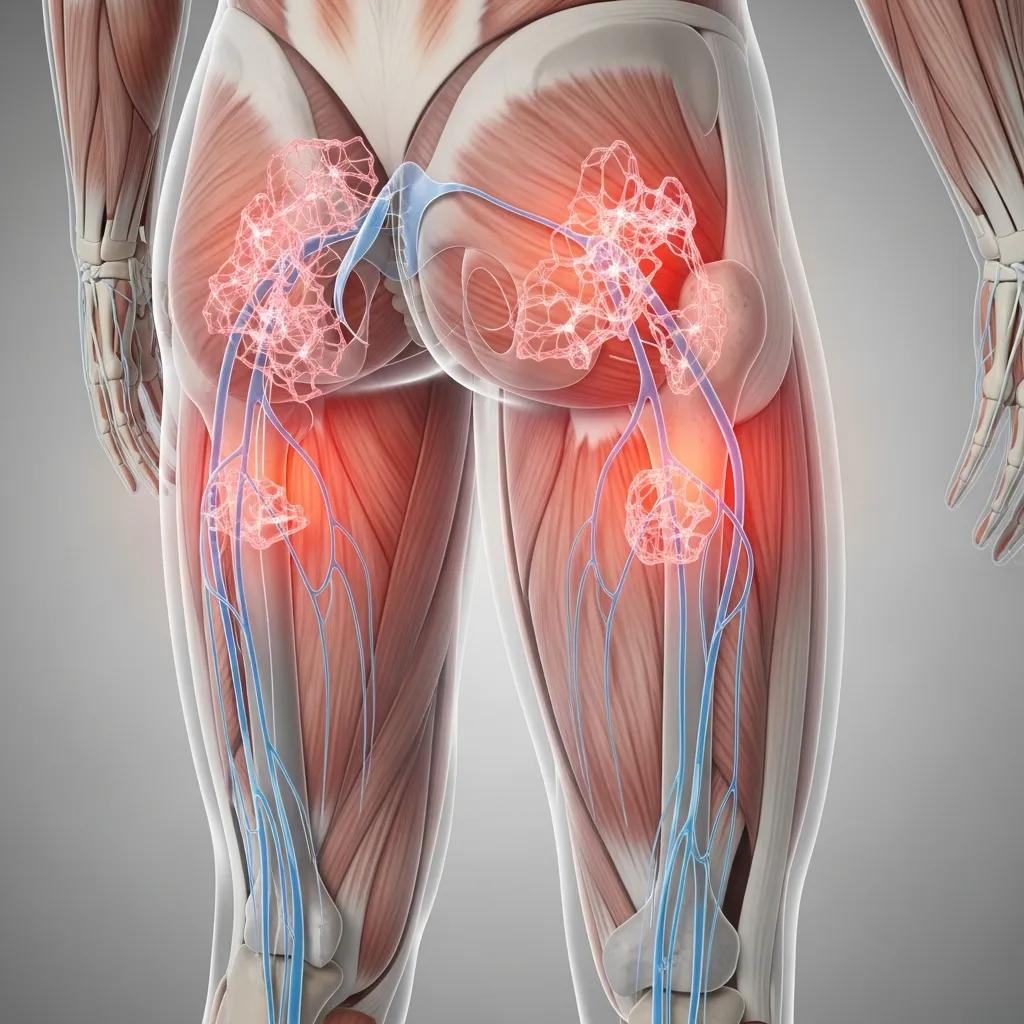
Sciatic endometriosis is a specific manifestation of endometriosis that affects the sciatic nerve, leading to significant leg pain and neuropathy. This condition can complicate the diagnosis due to overlapping symptoms with other conditions, making it essential for healthcare providers to consider endometriosis as a potential cause of sciatic nerve pain.

What Are the Symptoms and Diagnostic Challenges of Sciatic Nerve Involvement?

Symptoms of sciatic nerve involvement in endometriosis include sharp pain radiating down the leg, numbness, and weakness in the affected limb. Diagnostic challenges arise because these symptoms can mimic other conditions, such as herniated discs or sciatica from non-endometriosis-related causes. A thorough evaluation by a specialist is crucial to differentiate between these conditions and ensure appropriate treatment.

Which Treatment Approaches Are Effective for Sciatic Endometriosis?

Effective treatment for sciatic endometriosis may include a combination of pain management strategies, physical therapy, and surgical options. Non-surgical approaches, such as physical therapy and pain medications, can help alleviate symptoms. In more severe cases, surgical intervention may be necessary to remove endometrial lesions affecting the sciatic nerve, providing significant relief for patients.

What Causes Endometriosis Nerve Damage and Neuropathy?

Understanding the underlying causes of nerve damage in endometriosis is essential for effective treatment. Endometriosis lesions can lead to nerve irritation, impingement, and inflammation, resulting in neuropathic pain.

How Do Endometriosis Lesions Lead to Nerve Impingement and Inflammation?

Endometriosis lesions can grow on or near nerves, causing compression and inflammation. This impingement can disrupt normal nerve function, leading to pain signals being misinterpreted by the brain. The inflammatory response triggered by these lesions further exacerbates nerve sensitivity, contributing to the overall pain experience.

Further research delves into the specific mechanisms of neurogenic inflammation and peripheral sensitization in endometriosis patients experiencing chronic pelvic pain, even those on hormonal therapy.

Endometriosis Chronic Pain: Neurogenic Inflammation & Sensitization

Endometriosis (EM) is one of the most frequent differential diagnoses concerning chronic pelvic pain. Women under hormonal therapy (HT) often benefit from it but sometimes suffer a setback and develop acyclical pelvic pain. Due to the assumption that mechanisms of neurogenic inflammation are involved in the generation of chronic pelvic pain, we aimed to investigate the expression of sensory nerve markers in EM-associated nerve fibers of patients with/without HT.

Mechanisms of peripheral sensitization in endometriosis patients with peritoneal lesions and acyclical pain, RV Velho, 2023

What Is the Role of Central and Peripheral Sensitization in Pain Amplification?

Central and peripheral sensitization play significant roles in amplifying pain in endometriosis patients. Central sensitization refers to the increased responsiveness of neurons in the central nervous system, while peripheral sensitization involves heightened sensitivity at the site of injury. Both processes can lead to chronic pain conditions, making effective management crucial for improving patient outcomes.

Understanding these complex interactions, a comprehensive review highlights the broader neurologic manifestations of endometriosis, emphasizing the interplay between lesions and the nervous system, neuroimmune dysregulation, and the need for multidisciplinary strategies.

Endometriosis Neurologic Manifestations & Pain Sensitization

Emerging evidence highlights a complex interplay between ectopic endometrial lesions and the nervous system, involving both peripheral and central mechanisms of pain sensitization, neuroimmune dysregulation, and comorbid neurologic and psychiatric conditions. The discussion also encompasses rare but critical cases of central and peripheral nerve involvement, as well as the frequent co-occurrence of migraines, cognitive impairments, and mood disorders. By integrating insights from neuroscience, immunology, and gynecology, this paper underscores the need for multidisciplinary diagnostic and therapeutic strategies.

Neurologic Manifestations of Endometriosis: A Review of Preclinical and Clinical Evidence, J Prakash, 2025

How Is Neuropathic Pain Diagnosed in Endometriosis?

Diagnosing neuropathic pain in endometriosis requires a comprehensive approach that includes patient history, physical examination, and specialized diagnostic tools.

What Diagnostic Tools and Specialist Evaluations Are Used?

Diagnostic tools for neuropathic pain may include imaging studies, such as MRI or ultrasound, to visualize endometriosis lesions and their impact on surrounding nerves. Nerve conduction studies and electromyography can also be utilized to assess nerve function and identify areas of damage. A thorough evaluation by a specialist familiar with endometriosis is essential for accurate diagnosis.

Why Is Misdiagnosis Common and How Can It Be Avoided?

Misdiagnosis of neuropathic pain in endometriosis is common due to the overlap of symptoms with other conditions. To avoid misdiagnosis, it is crucial for healthcare providers to consider endometriosis as a potential cause of nerve pain, especially in patients with a history of the disease. Comprehensive evaluations and patient advocacy can help ensure accurate diagnosis and appropriate treatment.

What Are the Treatment Options for Endometriosis Nerve Pain?
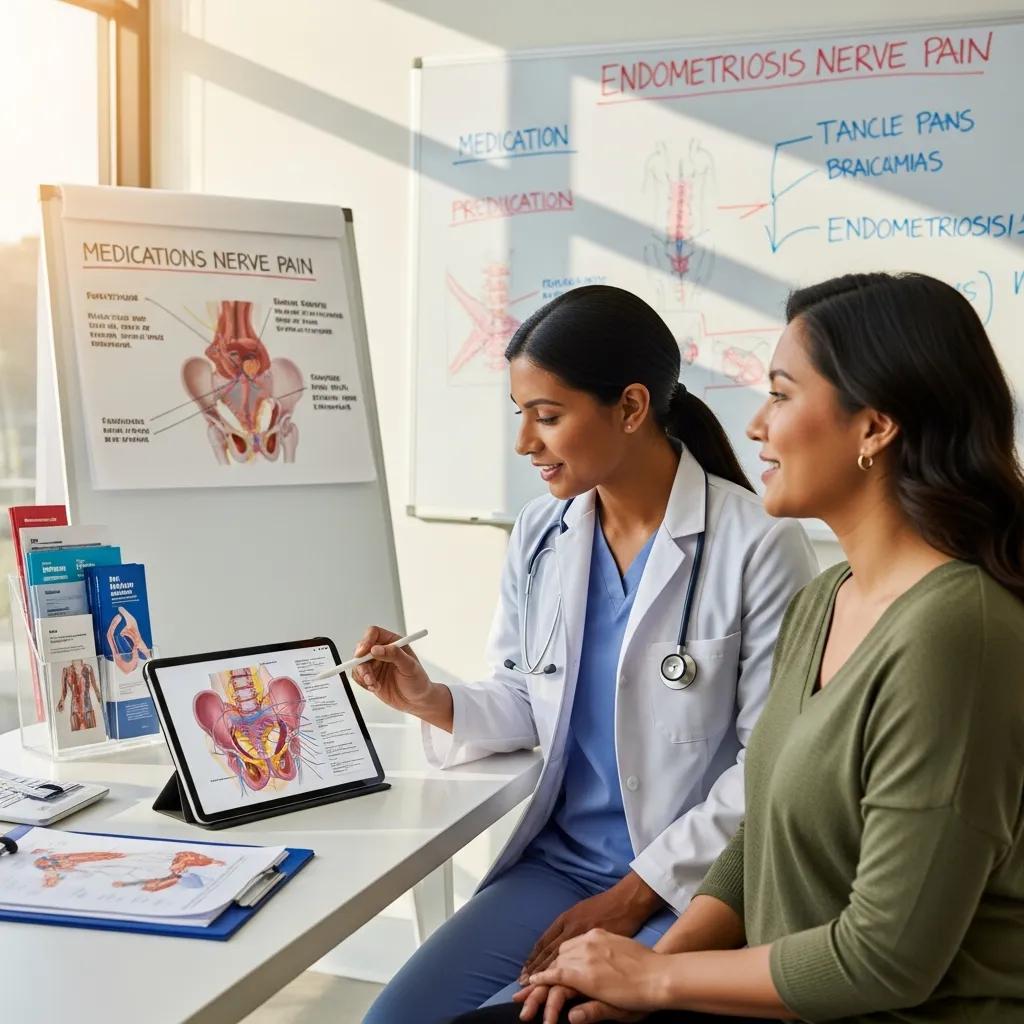
There are several treatment options available for managing nerve pain associated with endometriosis, ranging from medications to surgical interventions.

How Does Specialized Excision Surgery Address Nerve-Involved Endometriosis?

Specialized excision surgery aims to remove endometriosis lesions that are affecting nerve function. This surgical approach can provide significant relief for patients by alleviating pressure on the affected nerves and reducing inflammation. Success rates for this type of surgery vary depending on the extent of disease and surgical expertise, but many patients report improved pain management post-operatively.

What Medications and Therapies Help Manage Neuropathic Pain?

Medications such as anticonvulsants (e.g., gabapentin, pregabalin) and certain antidepressants (e.g., amitriptyline, duloxetine) are often prescribed to manage neuropathic pain in endometriosis patients. These medications can help modulate pain signals and improve overall pain management. Additionally, alternative therapies, such as acupuncture and physical therapy, may provide complementary benefits for pain relief.

How Can Patients Live with Neuropathic Pain from Endometriosis?

Living with neuropathic pain from endometriosis can be challenging, but there are strategies and resources available to help patients cope.

What Support Resources and Peer Communities Are Available?

Support resources for individuals with endometriosis include online forums, local support groups, and organizations dedicated to raising awareness and providing education. The Endometriosis Association is a recognized authority on endometriosis, offering comprehensive information and community support for those affected by the disease. Engaging with peer communities can provide emotional support and practical advice for managing symptoms.

Which Lifestyle and Physical Therapy Approaches Aid Pain Management?

Lifestyle modifications, such as regular exercise, stress management techniques, and dietary changes, can significantly aid in pain management for endometriosis patients. Physical therapy can also play a crucial role in improving mobility and reducing pain through targeted exercises and manual therapy techniques. These approaches, combined with medical treatment, can enhance overall quality of life for individuals living with neuropathic pain from endometriosis.